




This is a cache of https://www.paroc.com/en/article/transformation-to-electric-melting-brings-benefits-to-customers. It is a snapshot of the page as it appeared on 2026-02-22T02:47:46.399+0000.
Electric melting in Hällekis cuts emissions and downtime – delivering key benefits for customers | Paroc Article
Skip to main content
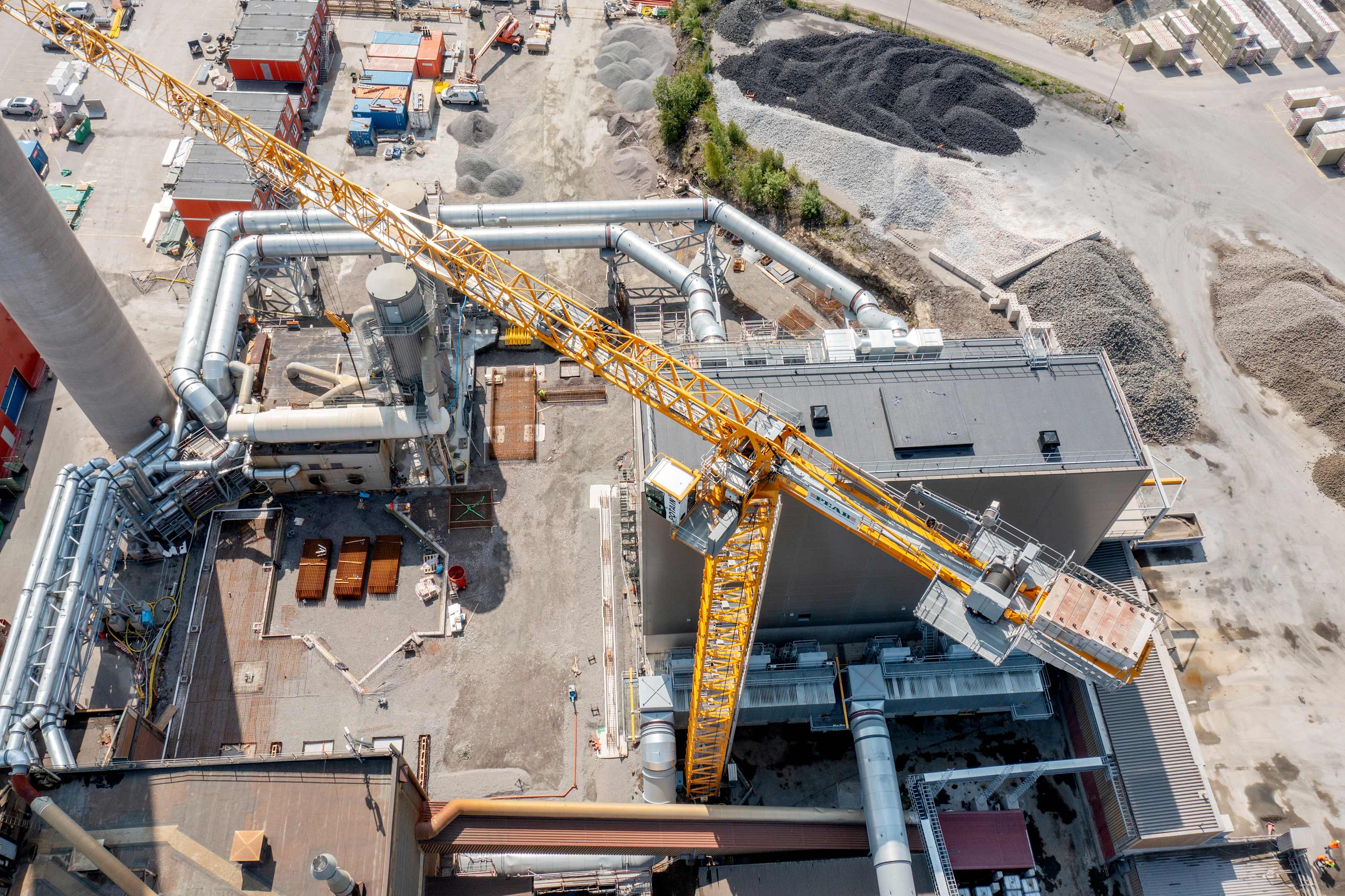
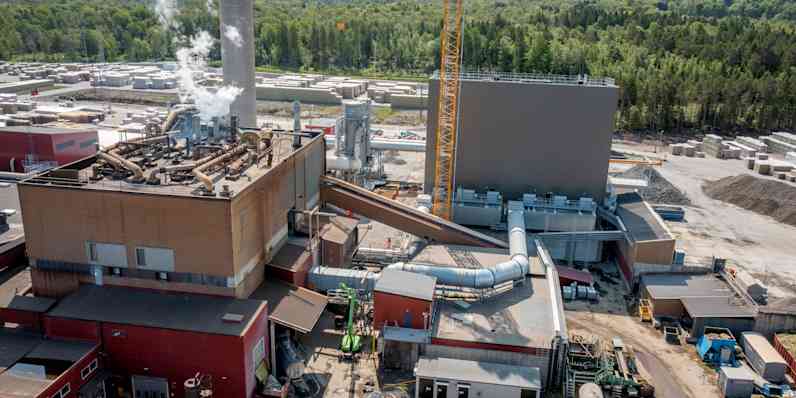
An overview of the ongoing project in Hällekis, Sweden, seen from above.

Electric melting in Hällekis cuts emissions and downtime – delivering key benefits for customers

Written By Lukasz WalaDate Published 2025-08-28

The reinvention of the Hällekis plant in Sweden is well underway. What began as a preliminary plan in 2020 has since evolved into a major redevelopment project, including the construction of a 7,500-square-metre facility comprising two buildings.

The project – currently in its second phase – involves converting from coke-fired furnaces to state-of-the-art electric melting. In the first phase, facilities for raw material handling and the filtration process were completed. Next up are the new premises for the electric melting, construction of the electric melting technology, installation of new spinners, and continued development of raw material handling infrastructure, among other upcoming steps.

Naturally, the question arises: Why?
Why are we undertaking such a significant transformation? What benefits will it bring to our customers?
The answer is simple and as massive as the project itself.

A drone image of the renovation in Hällekis.
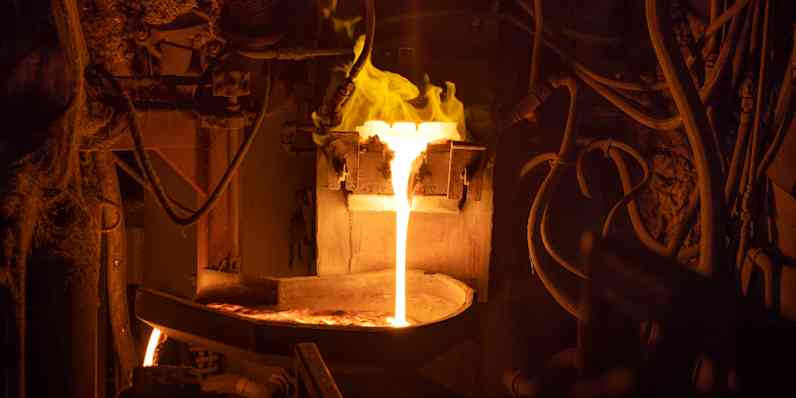
The current melting technology

No more coke

The most significant and immediate impact of the transformation is that we will eliminate the use of coke entirely. When the electric melting lines are planned to be commissioned in early 2027, every single batch of PAROC® Stonewool produced at the Hällekis plant will be produced using electricity alone – from the very first test run.

The effect on the plant’s Scope 1 and 2 emissions will be immediate: By switching to electric melting, the Hällekis facility is expected to reduce its Scope 1 and 2 emissions by 80%, representing a major step toward the long-term sustainability targets of Owens Corning.
Reduction of embodied carbon

The second major impact – and the very reason this transformation was conceived – is that we are reinventing the Hällekis plant to help our customers build with lower emissions. Switching to electric melting has the potential to significantly reduce the embodied carbon in the products manufactured at the site.

A key enabler of this is the use of renewable electricity. By sourcing power from renewable sources, we can drastically cut Scope 2 emissions related to energy consumption. To make this possible, we’re working in close partnership with Swedish energy provider Vattenfall.


Less downtime

The third impact may be less visible – but it’s no less important, as it further strengthens our delivery reliability. With the new electric melting technology, the plant will experience less downtime compared to coke-fired cupolas.

This improvement is due to several factors. Coke-fired cupolas must be shut down and cleaned from time to time. In an electric melting furnace, this cleaning step is not critical. Once the electric melting furnace is switched on, it runs 24/7 with significantly longer breaks between cleaning, directly improving manufacturing efficiency and production volume.

Another contributor to reduced downtime at the Hällekis plant is the introduction of new filtration chambers, which filter fumes from the fiber collection area and were already completed and put into operation in early 2025.

Previously, the Hällekis plant used one filtration chamber, but going forward, there will be six: two for each of the new lines, plus one backup chamber per line. This setup ensures that production doesn’t need to stop when filtration chambers are cleaned or maintained.

While the transformation of the Hällekis plant is still in progress, its benefits are already taking shape – for everyone engaged in creating sustainable buildings.


Lukasz Wala

EU Project & Construction Manager
OC Paroc

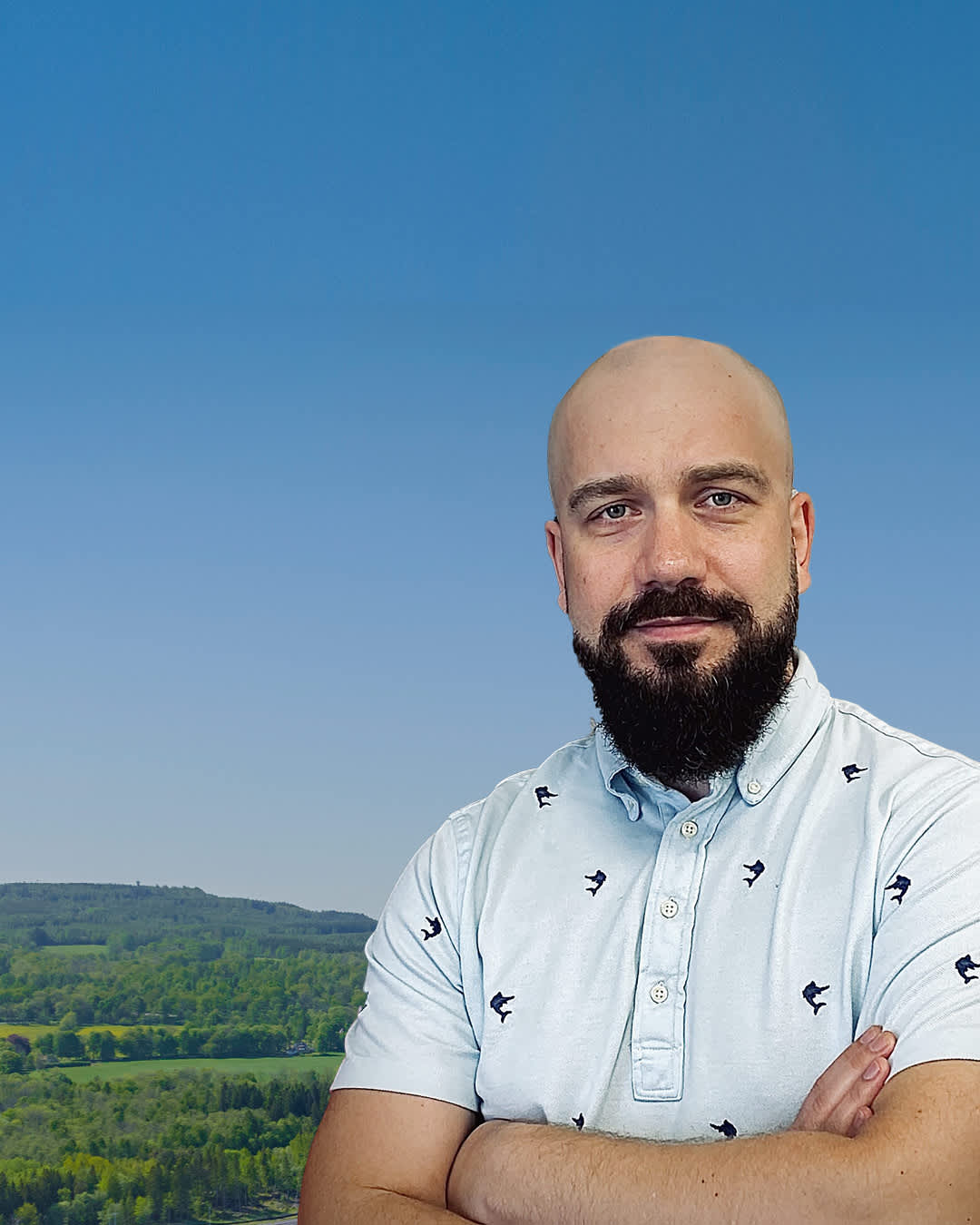
Lukasz Wala, EU Project & Construction Manager at OC Paroc.

Reinventing HällkeisTo help you build with lower emissions

We are converting our manufacturing facility in Hällekis to a state-of-the-art electric melting process. This marks a major step towards our sustainability goals, but also long-term benefits for you as a customer!

Share this page on:

Related Articles

The new facility in Hällekis, seen from above.

Reinventing Hällekis – Major Progress in the Project

Time flies when you're shaping the future! At our stone wool insulation manufacturing facility in Hällekis, we are right on track with the transformation of our coke-fired furnaces to electric melting technology.
Read more
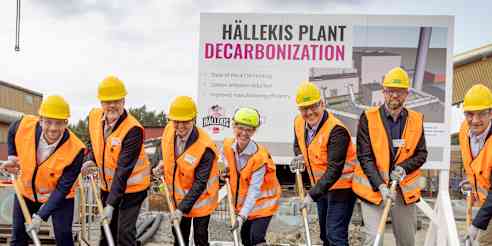
Beatrice Hallén, OC, Sr Sustainability Leader, Johan Månsson, Mayor Götene kommun, Jari Airola,OC, VP & Managing Director Europe,  Topi Korsberg, OC, Director Manufacturing EU Insulation,  Marie Stensson, OC, Plant Leader Hällekis, Bernd Kuehne, OC, Program Director,  Magnus Wedholm, PEAB, Regional Manager,  and Nico Del Monaco, OC, President Insulation breaking ground for the sustainability investment in Hällekis.

Owens Corning breaks ground for sustainability investment at Paroc Hällekis

Today, Owens Corning, owner of Paroc AB, celebrated breaking ground on its new sustainability investment at the Paroc Hällekis plant in Sweden. The plant is converting from coke-fired furnaces to electric melting which is estimated to reduce the plant’s emissions.
Read more
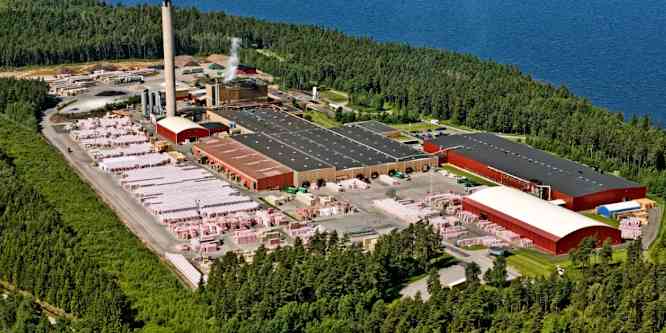
 Paroc Hällekis plant in Sweden

Owens Corning invests in the decarbonization of its Paroc Hällekis plant in Sweden

Owens Corning, owner of Paroc AB, is committed to achieving its greenhouse gas (GHG) targets and continues to invest in a sustainable future. The company is converting the melting process in its Hällekis insulation plant in Sweden
Read more