






This is a cache of https://www.paroc.com/en/article/ventilation-insulation-schools-safety. It is a snapshot of the page as it appeared on 2026-02-04T03:17:53.660+0000.
Building Safer Schools: The Role of Ventilation Insulation in Fire Safety & Air Quality | Paroc Article
Skip to main content
PAROC Vect Safe Spaces Header

Building Safer Spaces: Why Ventilation Insulation Matters in Schools and Daycares

Written By ParocDate Published 2026-01-19

What does it take to create safe environments for children?

In schools and daycares, ensuring healthy indoor air is only part of the equation. Fire safety, especially in critical systems like ventilation, plays an equally vital role. By combining these two perspectives—fire protection and good indoor air—this article explores how insulation – with an example from Finland - can help shape healthier, safer public buildings.

In Finland, the conversation around indoor environments has shifted from comfort to critical health, safety, and learning outcomes. Public buildings like daycares and schools—where our youngest citizens spend most of their waking hours—must not only meet basic standards but protect those most vulnerable.

Moisture damage, mold, and outdated ventilation design have been widely reported over the years. But there's another risk often overlooked: fire safety in ventilation systems.

The Role of Ventilation

Ventilation systems are essential for indoor air quality, but they also represent a risk when left unprotected. In buildings, ducts often pass through cold attics and unheated spaces. Without proper insulation, this setup invites two major problems:

  1. Condensation and Mold Risk. Temperature differences can cause condensation on duct surfaces. Moisture that forms in uninsulated ducts can drip into floors or ceilings, fostering microbial growth. According to Rakennuslehti’s investigative report “Näin Suomi homehtui” ("How Finland Became Moldy"), poor ventilation design, lack of moisture control, inadequate insulation and over-sealing practices have turned many well-intentioned building standards into hidden risk factors.
  2. Fire Spread Through Ducts. Ventilation ducts can act as conduits for smoke and flames, especially between compartments or floors. Even without active airflow, the chimney effect can pull fire upwards—particularly through attics.
Mold under magnifying glass

Fire Safety: Not Just a Code Requirement

Compartmentation is a foundational principle of fire safety—containing a fire within its origin area. However, when ventilation ducts pierce these compartments without proper fire insulation, they create vulnerabilities.

“If you do not seal penetration through your compartment properly, the fire can and will travel to the next wall or floor”, says Arjan Van Leeuwaarden, Fire Protection Application Lead at Paroc.

“Stone wool insulation solutions like PAROC® Vect portfolio help to ensure that ducts maintain their fire resistance, especially where they penetrate fire-rated structures”, he adds.

This is particularly relevant in public buildings, where evacuation time is critical. A fire rating of EI60 means the insulated duct system maintains both integrity (E) and thermal insulation (I) for at least 60 minutes during a fire—giving crucial time for safe evacuation and emergency response. These classifications are defined and tested under European standards EN 1366-1 and EN 13501-3.

Why Attics Matter

Attics in older buildings often lack walls, are dry, and contain flammable materials like exposed wood or aging electrical systems. Fires in these areas may go undetected until they’ve spread significantly. Add to this the complexity of ducts running through them, and the attic becomes a zone of both ignition and transmission.

“Stone wool is inherently non-combustible. When used together with a penetration seal around ducts or pipe penetrations, it preserves compartmentation and prevents fire from spreading between areas”, Van Leeuwaarden explains.

Ventilation insulation fire protection and condensation prevenetion

Indoor Air Quality: The Other Side of the Coin

Indoor air quality is another essential pillar of safe learning environments. Poor air not only impacts health, but also affects children’s ability to concentrate, learn, and thrive. In a comprehensive review (2024 Zhipeng Deng et al) on the impact of indoor air quality and multi domain factors on human productivity and psychological responses, it highlights that poor indoor air quality may cause discomfort, annoyance, and health issues therefore lowering performance. These findings underline the importance of protecting indoor environments holistically.

While insulation alone cannot solve complex air quality problems, it plays a critical supporting role in ensuring that HVAC systems perform as designed.

“Our insulation products support good indoor air by maintaining air temperature, preventing condensation, and ensuring the duct system works as intended. We don’t solve all indoor air problems, but we are part of the positive change in current building construction environment.” says Miko Makkonen, Paroc Technical Marketing Lead.

Proper ventilation duct insulation contributes to healthier air by:

  • Maintaining designed air temperature – ensuring the supply air is not too warm in summer or too cold in winter
  • Preventing condensation in cold spaces like attics is essential, as moisture accumulation from repeated condensation can lead to microbial growth.
  • Improving energy efficiency of HVAC systems – contributing to more stable and healthy indoor environments

Paroc insulation materials are M1-classified, confirming low emissions and safety for sensitive environments like schools. Yet, as Makkonen highlights, they are one part of a larger ecosystem:

From Specification to Reality: Closing the Gap

Despite clear standards like EN 1366-1 and EN 13501-3, fire insulation in ductwork is often ignored or substituted during installation. Why? Lack of awareness, complexity in fire design documentation, and underestimation of risk. Manufacturers like Paroc aim to close this gap by:

  • Offering tested, compliant solutions like the PAROC Vect Mat portfolio
  • Providing early-stage consultation and support to specifiers
  • Highlighting the dual benefit: fire protection and indoor air support

Time to Protect

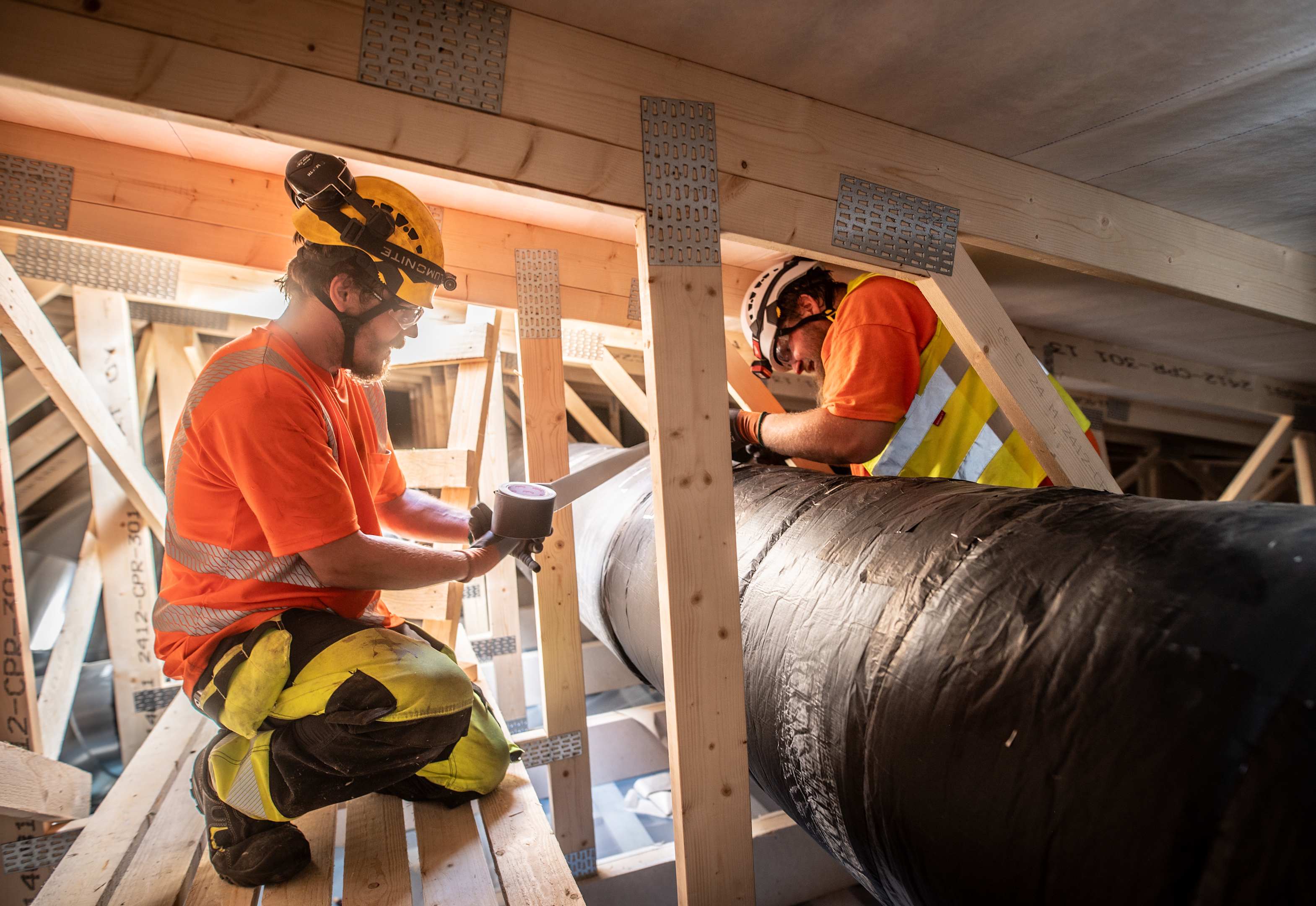
Safe ventilation isn’t just about air—it’s about time. Time to evacuate. Time to prevent damage. Time to ensure systems perform as planned. The PAROC® Vect portfolio is designed to meet these demands, combining fire protection and thermal insulation in tested and verified solutions. The innovative PAROC®  Vect Mat BlackCoat products also integrates condensation control into one single 3-in-1 verified product. It’s a smart way to protect both people and property—today and into the future. 

PAROC® Vect Mat BlackCoat are available in: PAROC® Vect Mat BlackCoat EI60 and in PAROC® Vect Mat BlackCoat EI30

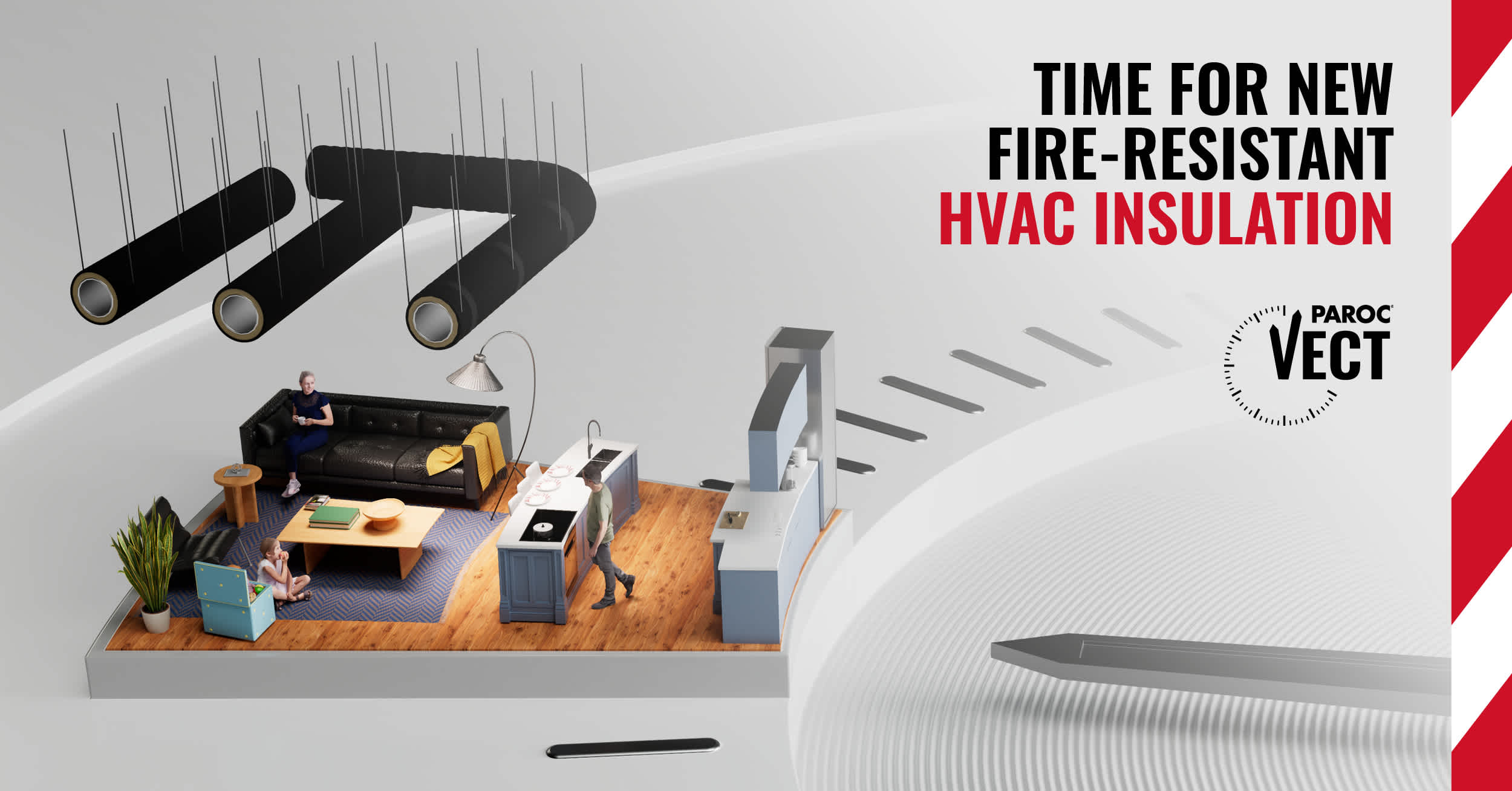
PAROC Vect new fire resistant hvac insulation

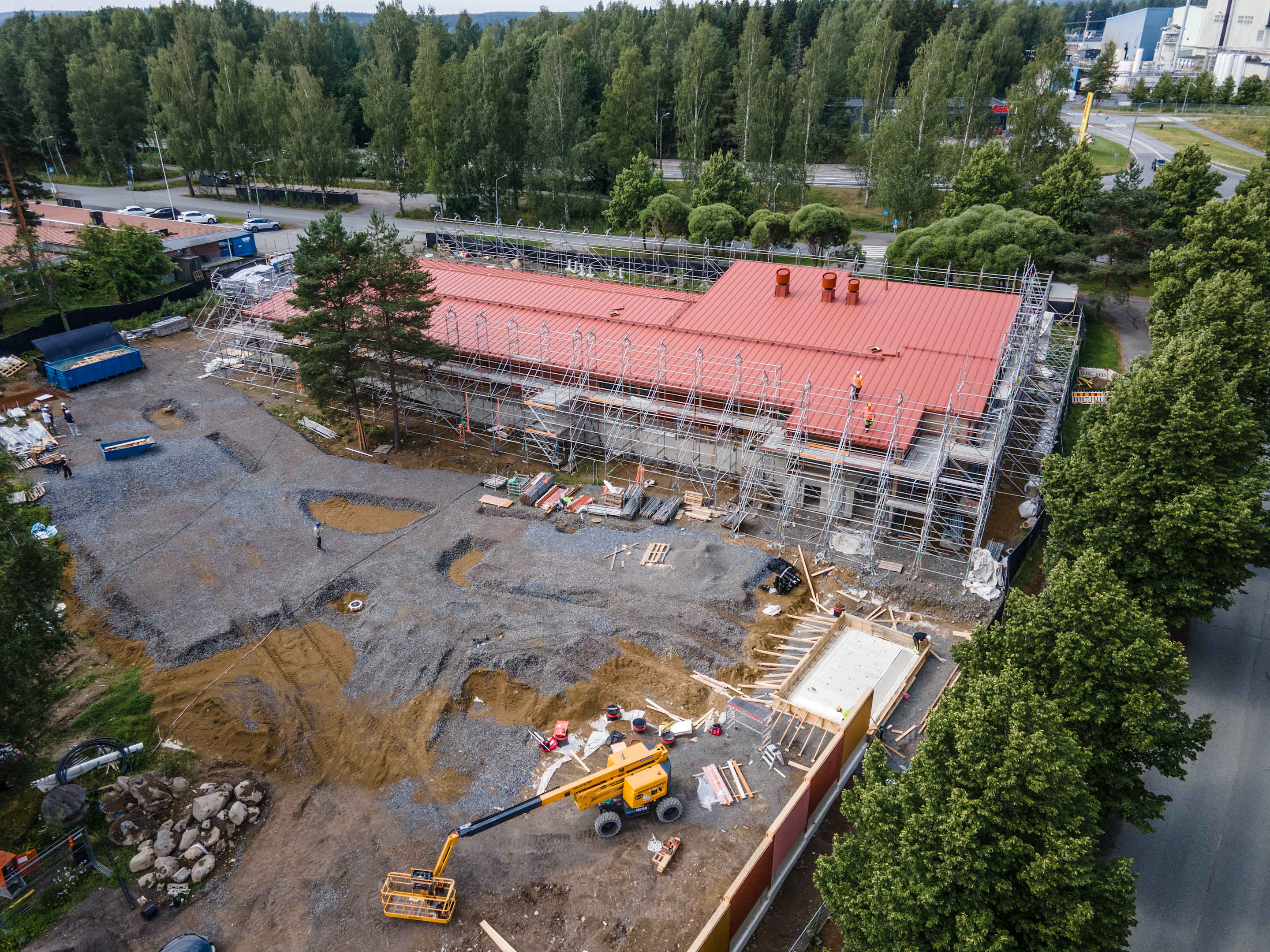
Case Example: Solvik Daycare, Hämeenlinna, Finland

In spaces designed for children, every technical decision has human consequences. Whether it's about preserving air quality or buying time in an emergency, the right insulation isn't just a product decision—it's a public health investment.

The renovation of Solvik Daycare in Hämeenlinna shows how insulation choices shape outcomes. When rebuilding a compromised facility, the design team selected PAROC® Vect Mat BlackCoat EI60 to ensure that the ventilation system would support clean air, minimize moisture risks, and provide tested fire resistance. 
PAROC Vect referencase Paroc Vect Mat BlackCoat EI60 solviken finland
Share this page on:

Related Articles

RnD Leader Melanie Aubert with PAROC Vect Mat

Engineering Excellence: The PAROC® Vect Development Journey

The PAROC® Vect portfolio required striking a delicate balance between regulatory compliance and real-world usability.
Read more
Paroc insulation with the Cortus Hoganas factory in the background

Technical insulation and energy efficiency – the forgotten heroes of climate change

Despite the importance of energy efficiency in insulation, other methods are considered to tackle today’s climate challenges – we discuss how energy efficiency is an investment for an optimistic future.
Read more
Fire Insulation Circular Ducts EI 60 Hospital

PAROC® Vect Range Expands With Wired Mat BlackCoat EI60

We are proud to introduce the latest addition to our portfolio – PAROC® Vect Wired Mat BlackCoat EI60 – made using high-quality robust PAROC® Stonewool. PAROC® Vect Wired Mat BlackCoat EI60 provides up to 60 minutes of fire resistance. The product is now available in Scandinavia
Read more