


This is a cache of https://www.paroc.com/en-gb/article/technical-insulation-and-energy-efficiency. It is a snapshot of the page as it appeared on 2026-02-22T03:11:45.239+0000.
Technical insulation and energy efficiency – essential allies in reducing emissions. | Paroc Article
Skip to main content
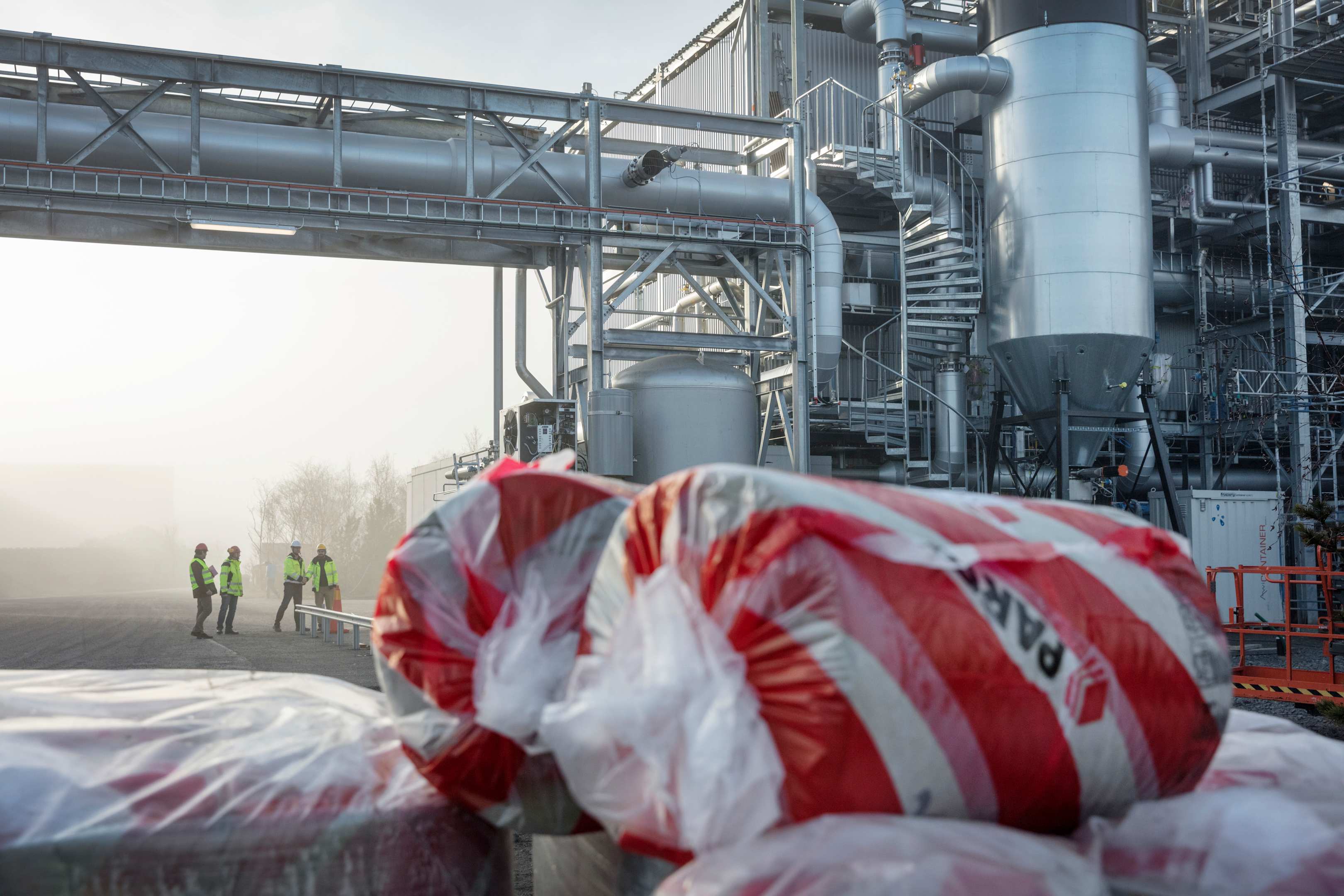
Paroc insulation with the Cortus Hoganas factory in the background

Technical insulation and energy efficiency – the forgotten heroes of climate change

Written By Toni SaukkonenDate Published 2025-05-04

Different international and national targets aimed at achieving a low-carbon or climate-neutral society are now influencing all corporate activity. The result is various sectors drawing up their own roadmaps targeting low carbon emissions, which are primarily based on digitalisation, electrification, material efficiency and circular economy. But where does energy efficiency come into play?


Energy efficiency is an investment for an optimistic future

Despite the importance of energy efficiency in insulation, it tends to lag behind the other methods that are perhaps considered a little more modern for tackling today’s climate challenges. This is a shame as improving energy efficiency, for example with the aid of technical insulation, is not only efficient but also a cost-effective way to promote a low-carbon future. Technical insulation also reduces emissions from construction and industrial processes throughout their life cycles.

It is also worrying that an idea gaining a foothold is that technical insulation is just a maintenance cost item and not an investment in energy efficiency. The industry is pinching from insulation and compromising on its quality as it pursues cost savings and, when designing buildings, so little space is reserved for building technology that sufficient insulation is not possible.

This results in a temporary fix and long-term troublesome situation. What you gain from short-sighted cost savings, you lose in energy efficiency, maintenance costs and the length of the technical life-cycle – not to mention the impact on climate.


Towards carbon neutrality with high-quality insulation

It is generally acknowledged that the management of energy flows is one of the most important factors affecting the efficiency and performance of industrial processes. High-quality insulation is an effective way to improve the energy efficiency of processes and an investment that has a very short payback period. Cost savings and benefits that lower the environmental impacts of operating buildings can be achieved as soon as insulation has been installed and, what is particularly important, this happens regardless of the form of energy used.

Of course, other benefits like fire safety can also be achieved by insulation. In my opinion, there is even room for tightening installation requirements in industry. It would also be good for decision-making on insulation solutions to be carried out by those who can assess the investment in relation to its overall benefits such as improvement in energy efficiency, reduction of life-cycle- and maintenance costs and reduction of environmental impacts.

Insulation in building technology pursues largely the same benefits as in industry, the reliability, energy efficiency and fire safety of the operation of equipment. In addition, pleasant and healthy indoor air in buildings is also targeted. Cost pressures have unfortunately created a situation in which, despite increasing and developing building technology, square metres are not increasing so there is not enough proper space for sufficient technical insulation. Because of this, some of the benefits are not achieved, be it in terms of the cost savings or climate benefits of better energy efficiency.


Insulation products and know-how exist – but is there the will?

High-quality and low-carbon technical insulation such as mineral wool products do exist as does the knowledge of their use, for example we know that Stone wool exhibits low GWP values as well as having competitive Embodied Energy values*. However, where can we find sufficient foresight and will to utilise them in an optimal way?

The sub-optimisation carried out by parties in the value chain of industry and construction does not serve low environmental impact well. Could at least part of the solution be found in closer cooperation in the value chain in which overall solutions that are as low-carbon as possible in terms of the entire life cycle of a building or industrial process could be set as a shared goal? As the upcoming EPBD regulation introduces the requirement to include Global Warming Potential (GWP) in Environmental Product declarations (EPDs), we fully support this step toward greater transparency by ensuring our insulation solutions not only drive energy efficiency but also meet the highest environmental standards.

Toni Saukkonen, Business Director, HVAC Europe

portrait of Toni Saukkonen, Sales Lead, PAROC Technical Insulation
Share this page on: