



Emissions from the built environment account for a significant share of global carbon dioxide emissions, and the construction industry has been under pressure to curb emissions for years. The challenge has been taken seriously and various solutions have been developed, but investing in the energy efficiency of buildings is still the single biggest act that can be used to influence emissions. This is where high-quality insulation plays a key role.
Eyes on the entire life cycle
It is important to be able to look at the whole and emissions for the entire life cycle of the building already at the design stage. This means the construction chain from the manufacture of raw materials to the construction process and further to the use, maintenance and demolition of the building. The majority of emissions are generated by energy consumption during use, heating and cooling. That is why insulation is so important.
There is a difference between the various insulation materials. Factors to consider include the durability of the products, emissions from manufacturing and recyclability, as well as many key features for housing, such as fire and moisture resistance, sound insulation, the ease of installation and the need for maintenance.
Designers play a key role
Designers play a key role in making safe, functional and environmentally sustainable choices, including the materials. Challenges are posed by the abundant supply of solutions on the market and, sometimes, incomplete information on the actual environmental impacts of different materials. Therefore, close cooperation between designers and material manufacturers is needed.
Designers can trust that long-established players, such as OC Paroc, are part of the change towards more energy-efficient construction and are constantly developing their products to meet future needs – without compromising on quality. The in-depth expertise of these operators in product development and new solutions is a valuable help for designers in their work
Tools for sustainable building design
Various certificates and environmental declarations also provide reliable information to support material choices; A good example is the EPD (Environmental Product Declaration), which is based on a European standard, which specifies the environmental impacts of an individual product in detail throughout its life cycle.
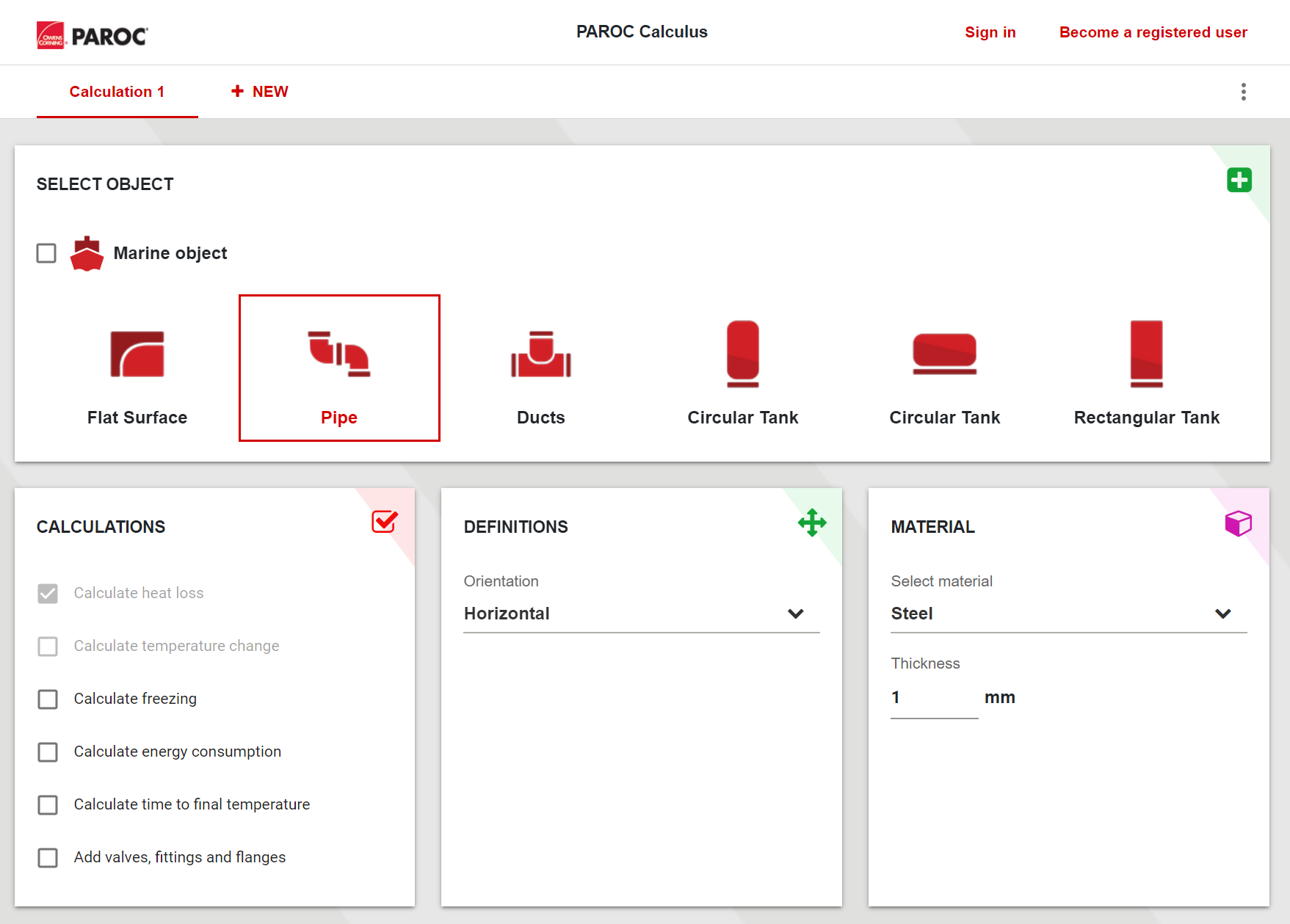
The practical work of designers is also facilitated by the digital tools provided by manufacturers, such as design instructions, calculators and structural models for BIM modelling.
Working together for the best results
Sustainable construction is not achieved through the actions of a single actor: it requires seamless cooperation between the entire industry and wise choices for common goals. Together, we can best meet the challenges of the future.