






This is a cache of https://www.paroc.com/en/article/high-temperature-insulation-for-industrial-applications. It is a snapshot of the page as it appeared on 2026-02-04T03:20:44.183+0000.
Learn all you need to know about high-temperature insulation for industrial applications. Technical guides, product information and tips for insulating high-temperature industrial apparatus. | Paroc Article
Skip to main content
Industrial insulation

High-Temperature Insulation: A Guide for Industrial Applications

Date Published 2025-10-20

Some insulation types aren’t suitable in industrial settings where extreme temperatures are common. That is because high-temperature insulation is a specialized product manufactured to withstand temperatures exceeding 200°C. Lower performing insulation insulation with a lower maximum service temperature would degrade under these circumstances, rendering it defective. However, mineral wool, in particular stone wool is naturally suited to producing high-temperature insulation.

High-temperature insulation is commonly used in manufacturing, petrochemical and processing industries, as well as energy generation plants. When the operating temperature is over 200°C, the risk is as high as the temperature. High-temperature insulation is essential for safe and efficient performance. Without specialized insulation, energy loss and long-term running costs increase, and operators jeopardize regulatory compliance and worker safety.
What is High-Temperature Insulation?

High-temperature insulation is a specialized thermal barrier, manufactured for extreme heat conditions, typically from 200°C to 700°C. High-temperature insulation must maintain its structural integrity and performance, so has a different composition from other forms of insulation, and even compared to lower density mineral wool insulation.

High-temperature insulation is commonly used for maintaining energy efficiency and limiting thermal stress in energy-intensive industries.

  • Power Generation: Boilers, steam pipes, furnaces, reactors, turbines and flue ducts.
  • Petrochemical Industry: Processing equipment, vats, reactors and pipeline systems operating at high temperatures need reliable thermal protection.
  • Manufacturing: Furnaces, kilns and heat treatment equipment.
  • Process Industry: Heat processing, incinerators, furnaces and refineries.

All industrial insulation must adhere to the energy efficiency standards, European EN 17956 regulation. Thanks to clear energy efficiency labeling, specifiers can now select the most efficient insulation for their requirements. It makes business sense to choose an A-rated product rather than a G-rated one.

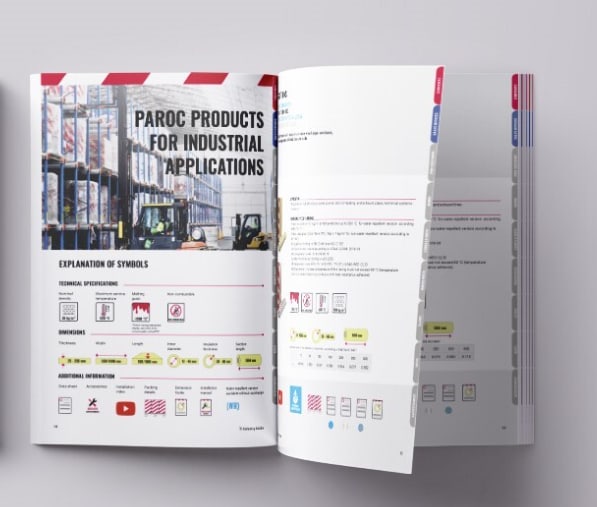
Explore high-temperature insulation for all applications in our Technical Insulation Industry Guide.

High temperature Insulation Guide, image

Selecting High-Temperature Insulation

It’s important to specify the most suitable high-temperature insulation for each application. There are plenty of technical insulation products to choose from.

Mineral wool and, in particular, stone wool insulation is an exceptionally good choice for high-temperature applications because of its unique properties. Made from volcanic rock (96-98% by weight), stone wool has excellent thermal properties and is structurally stable even at temperatures up to 700°C.

PAROC® Stonewool high-temperature insulation helps you comply with safety and energy regulations. It is reusable and can be recycled into new stone wool products, which reduces the need for virgin material. To help you select the best high-temperature insulation, our Technical Insulation Industry Guide provides detailed specifications and application recommendations for all our industrial insulation products and accessories.

We’ve divided the guide into different categories:

  • PAROC® Pro Section: Precision engineered pipe sections with coordinating joints and seals for easier installation.
  • PAROC® Pro Slab: Sheet and slab insulation for tanks, walls and roofs.
  • PAROC® Pro Wired Mats: Stone wool mat with stitched wired mesh. Ideal for irregular surfaces or complex shapes.

Benefits of High-Temperature Insulation

High-temperature insulation has to perform long-term in a tough environment. Good high-temperature insulation can provide cost savings, boost performance and limit downtime, while meeting regulatory requirements. The best high-temperature insulation will do all this and minimize installation and maintenance while keeping your people and plant safe for years to come.


More Energy Efficient

High-temperature insulation can immediately lower energy loss, consumption and operational costs.

Studies by the European Industrial Insulation Foundation showed that 10% of industrial equipment is un-insulated or covered with damaged or poor insulation. This leads to substantial energy waste and CO2 emissions worldwide. However, there is a real opportunity to immediately reduce energy consumption, unlock long-term financial savings and meet carbon emission regulations with high-temperature insulation.


Safer Emissions During Initial Heat-Up

Insulation for high temperature indoor industrial applications usually generates emissions during the first heat-up. But there is a possibility to reduce those emissions. The right insulation can make a big difference.

PAROC ® PRO WIRED MAT LE is a thermal insulation specifically designed for indoor industrial high temperature applications. During first heat-up of insulated equipment, it emits up to 50% less formaldehyde and up to 90% less monoisocyanates than traditional wired mat insulation*.

We have created a new generation of binders based on renewable, biobased ingredients and it is the lowest emission high-temperature stone wool insulation on the market. It emits up to 59% fewer monoisocyanates and 57% less formaldehyde emissions than competing stone wool products in comparative third-party laboratory tests**.

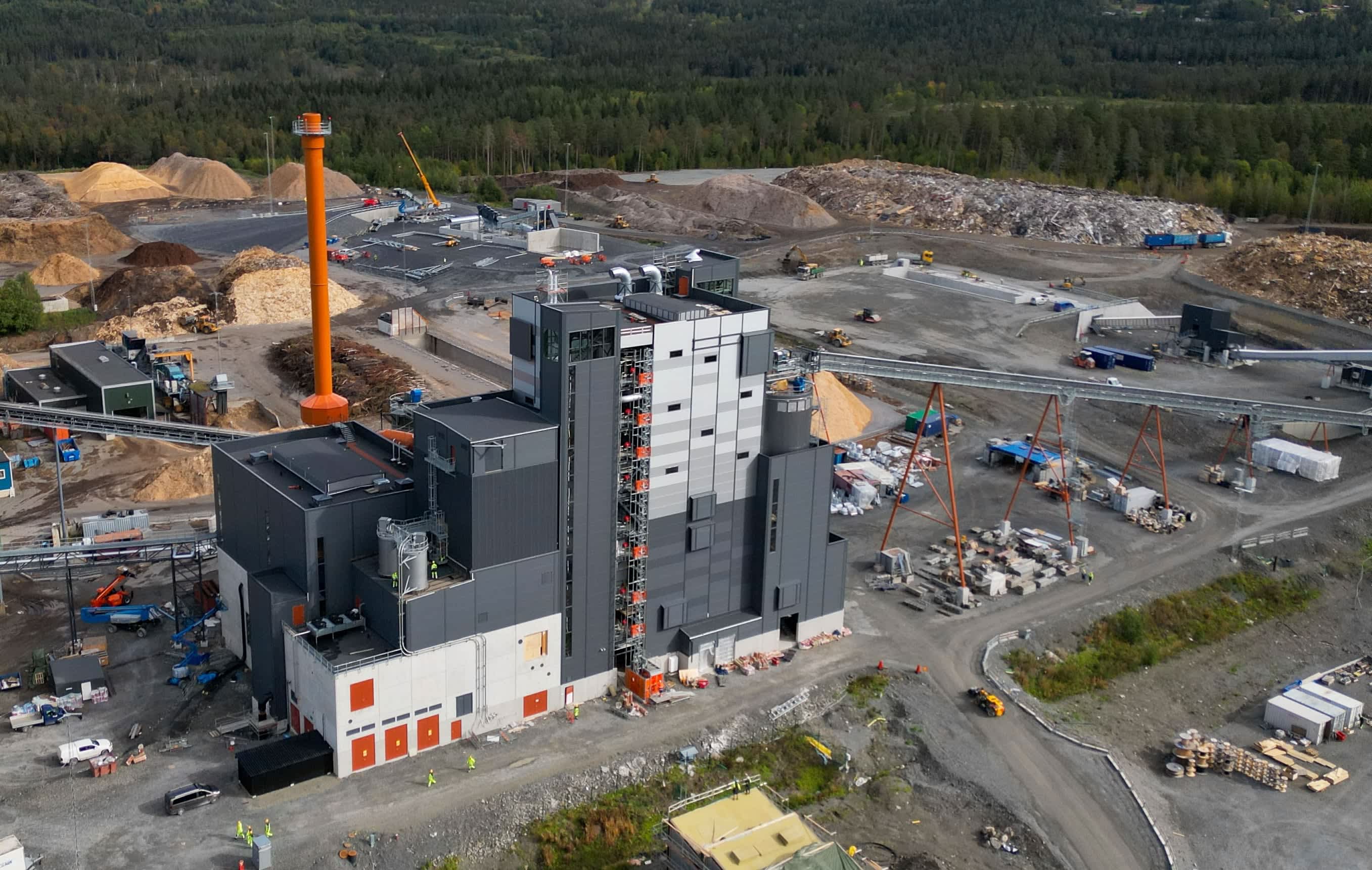
The team at Jämtkraft’s new combined heat and power (CHP) plant in Lugnvik, Sweden used PAROC® Pro Wired Mat LE high-temperature insulation with great effect. Installation was quicker and thanks to the lower risk to workers during the heat-up phase, there was less downtime, making the whole process a lot more efficient.

Emma Sundin, Project Manager at Jämtkraft, said:

“Paroc’s product with low emissions helps us to ensure we are providing a safe work environment for our employees and contractors, both during the project phase and during future maintenance and operation. We very much value the possibility to secure our employees’ health but also believe that we will be able to make more efficient maintenance stops when we don’t have to close off the building when heating up the boiler.”

Jämtkraft’s new combined heat and power (CHP) plant

Non-Combustible Fire Resilience

Regulations and standards require the use of insulation materials to limit the fire spread, with standard fire resistance ratings. Stone wool high-temperature insulation boasts non-combustible properties to meet the highest Reaction to Fire classifications (A1: EN 13501-1) and performs safely in high-risk environments.


Minimize Corrosion Under Insulation

Water penetration can lead to corrosion under insulation (CUI), a costly problem that can reduce performance and damage equipment. PAROC® high-temperature insulation products are water-repellent to help reduce CUI.

Independent tests*** have confirmed that PAROC® WR products surpass EN1609 and EN13472/24h water penetration standards. They perform 10 x better than the regulation and absorb less than 0.1 kg/m² water on average after being heated to 300°C for 24h.

Why Choose PAROC® for High Temperature Insulation?

Our PAROC® team has decades of specialized experience developing and manufacturing high-temperature insulation. As an industry leader in industrial and processing insulation, we even helped develop the EN 17956 standard energy efficiency classes.


Trusted Performance

PAROC® develops proven insulation products that help engineers, manufacturers and industry professionals worldwide enhance their systems and processes safely and efficiently.


Innovation

We’re always developing the next generation of industrial insulation products to meet the expanding needs of our customers. From cutting-edge technology when manufacturing our insulation to new ways of helping products become more efficient. For example, our Low Emission Wired Mat insulation.


Sustainability

It’s not just our products that help reduce waste. We consider the full lifecycle and design our products to be recycled and reused. By 2030 we aim to have zero waste leaving our plants and we are targeting 100% renewable electricity by 2030 to eliminate our demand for fossil fuels.


Technical Excellence

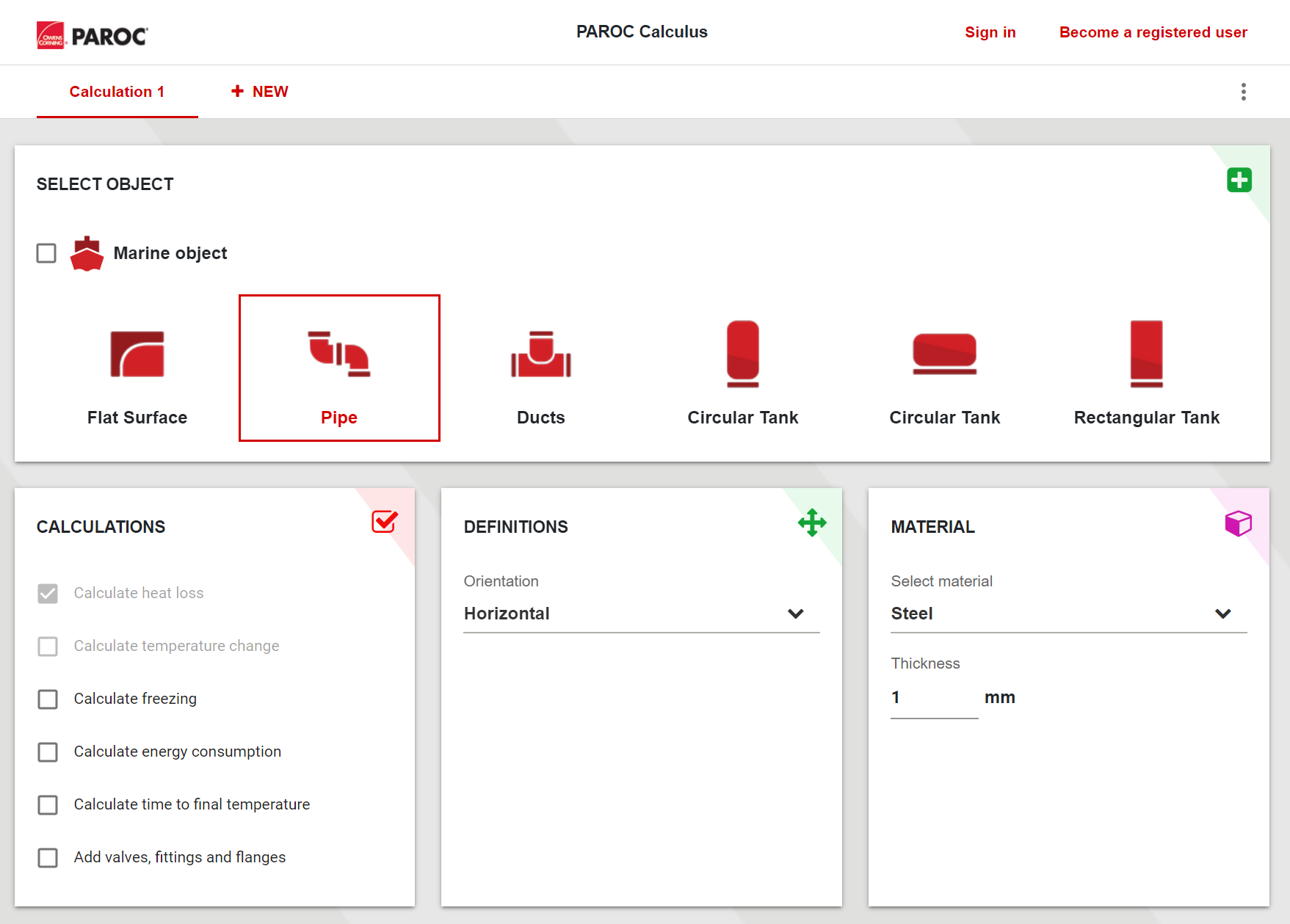
Our specialized team can help you select the best high-temperature insulation for your requirements. Or try PAROC® Calculus, our technical insulation calculation program for dimensioning thermal insulation in various applications. Available on PCs, tablets and smartphones.

Use our Technical Insulation guide to choose your high-temperature insulation. Or contact us to discuss your requirements.


*Comparative laboratory test of traditional PAROC® Pro Wired Mat and PAROC® Pro Wired Mat LE, conducted by Linkoping University Hospital, Sweden. A sample was heated in a 4.75 m3 chamber to 300 °C. 2024_04 Linköping report. Recommended for operating temperatures of 200°C and above.
** Compared to two known competitor products with declared lower emissions of formaldehyde and monoisocyanates – view brochure for proof points.

***The data is based on an independent third-party comparison of products from the most important mineral wool manufacturers, which was carried out by Eurofins Lab 19036 on 16 August 2019.


Share this page on: