


This is a cache of https://www.paroc.com/en/article/engineered-for-solar-how-to-secure-flat-roof-insulation-beneath-photovoltaic-systems. It is a snapshot of the page as it appeared on 2026-05-31T00:06:05.446+0000.
Photovoltaics – how to protect the roof? | Paroc Article Skip to Main Content
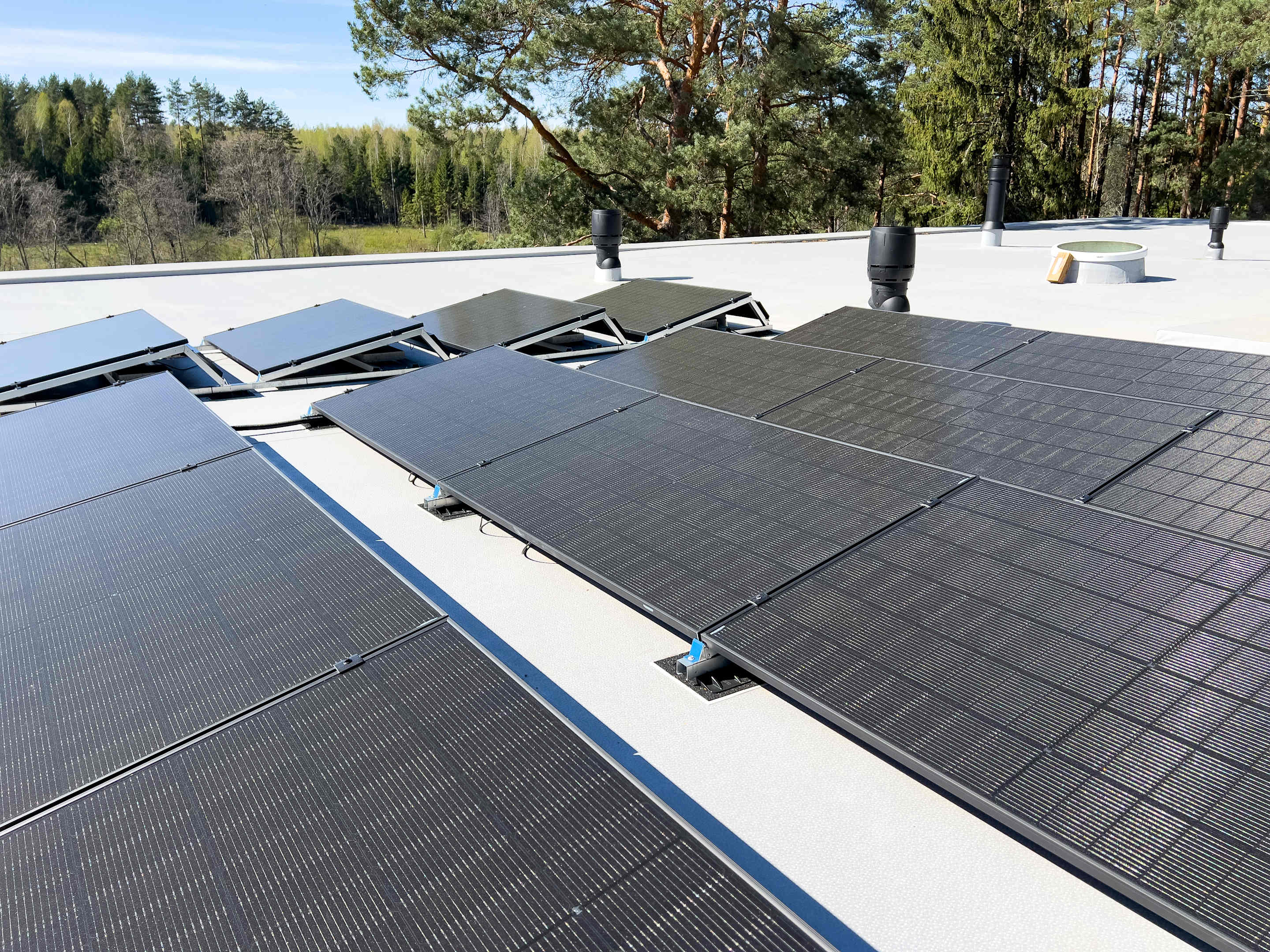
solar panels on a flat roof

Engineered for solar: how to secure flat roof insulation beneath photovoltaic systems

Written By Owens Corning ParocDate Published 2026-05-20

A photovoltaic system operating on a leaking roof is a nightmare for any contractor. A compromised insulation layer is a severe liability on its own; however, the presence of a PV array exacerbates the problem by making it incredibly difficult to scan the surface and locate the source of the leak. How can designers and contractors effectively prepare a flat roof to withstand the rigorous mechanical demands of a solar installation and safeguard the insulation’s integrity?

In the era of the energy transition, mounting rooftop photovoltaics on large-scale facilities is standard practice, but it introduces a complex set of engineering demands. To avoid costly repairs and properly prepare the building for a photovoltaic installation, designers and contractors must rethink the entire roof assembly, aiming for a cohesive, long-term solution.

Why are flat roofs with PV systems highly vulnerable to leaks?

A flat roof loaded with solar modules operates under demanding conditions. Without clear industry standards for these specific stresses, issues often arise from a combination of inadequate load distribution, unplanned service paths, and a mismatch between the chosen insulation and the roof membrane under increased foot traffic. Interestingly, the static dead load of the panels themselves is usually considered a secondary issue.

EXPERT PERSPECTIVE

“In my experience, the primary threat to the roof’s integrity often comes from repeated dynamic loads – specifically, the intensive walkability required during the construction and maintenance phases.”

– David Albinsson, Application Manager Flat Roof at Owens Corning Paroc.
expert OC Paroc

What are the consequences of inadequate mechanical resistance?

Standard flat roof insulation, although thermally efficient, is not always designed for intensive construction-stage use. Permanent deformation under an installer’s foot can lead to a chain of negative consequences:

Pv panels on the roof
  • Deformation and ponding: permanent indentations form under the feet of installers, creating depressions where standing water accumulates.
  • Membrane tearing: stagnant water degrades the roofing material, and the strained waterproofing membrane may eventually tear under the pressure.
  • Microbial growth: trapped moisture, combined with typical construction site dirt, creates an ideal environment for microbial growth.
  • Structural corrosion: hidden moisture drastically increases the risk of corrosion in the steel deck and fasteners.
  • High repair costs: leaks hidden directly beneath the PV system are notoriously difficult to identify during annual inspections, leading to extreme repair expenses.

Building a resilient substrate with PAROC stone wool

Effective protection of the roof against mechanical damage requires the use of thoughtful, system-based solutions. Rather than simply adding insulation, the goal is to create a robust and stable substrate that can withstand repeated mechanical impacts while ensuring reliable drainage. For that purpose, PAROC delivers dedicated stone wool flat roof insulation solutions that address these highly specific issues.

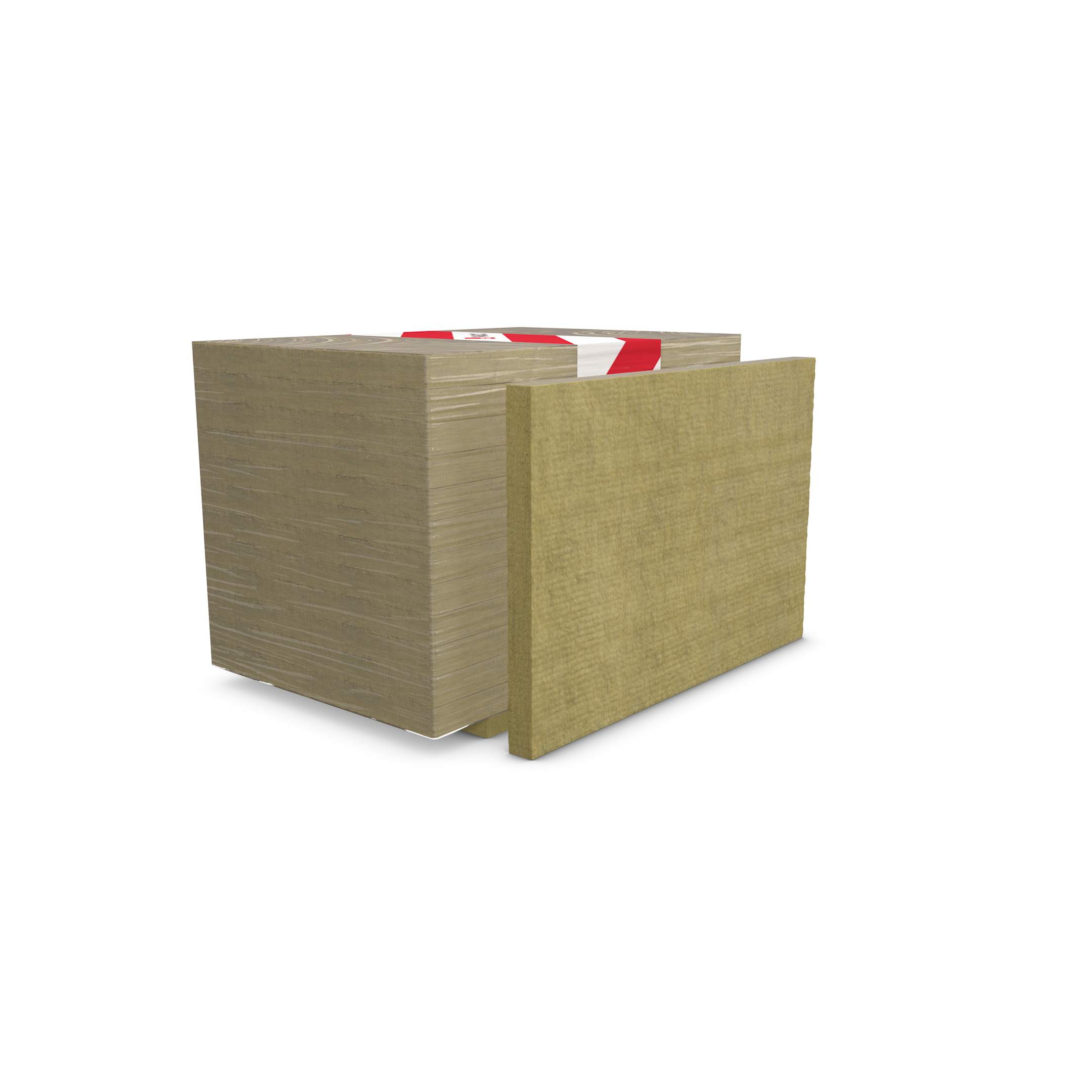
  • Energy efficiency and mechanical strength without compromise: relying on the cooperation of a rigid top slab and a lighter bottom slab, the design of the PAROC Solar system enables efficient stress distribution and optimal thermal performance at the same time. The lower layer (PAROC ROS 60 or rol 60) ensures thermal performance, while the upper element (PAROC Premo 90 or ROB 80) absorbs the direct pressure and spreads it over a larger surface. Developed specifically for ballasted and trafficked roofs, these top slabs deliver high mechanical stability tailored to project demands: PAROC Premo 90 provides a compressive strength of 90 kPa and a point load resistance of up to 900 N, while the PAROC ROB 80 alternative offers a robust 80 kPa and 700 N, respectively. In real construction conditions, this helps to eliminate the formation of depressions that encourage water ponding, caused by pedestrian traffic.
  • Integrated slopes and load-bearing capacity: for roofs requiring precise profiling to avoid the aforementioned water ponding, the PAROC RTL tapered lamellas provide the optimal foundation. This solution enables contractors to create a precise slope (e.g., 1:40 or 1:60) that allows rapid drainage of rainwater and meltwater, minimizing the risk of leaks. Crucially, their vertical fiber orientation (lamella structure) allows them to act as a fully structural, load-bearing thermal insulation layer. Provided they are installed beneath a rigid top slab with a minimum thickness of 30 mm, they are perfectly equipped to handle the repetitive loads beneath PV systems.

Choosing the right top layer depends on the specific mechanical demands of your PV system. Both of these PAROC solutions are engineered for ballasted roofs and heavy foot traffic.

Mechanical performance

PAROC Premo 90

PAROC ROB 80

Compressive strength

90 kPa

80 kPa

Point load capacity

Up to 900 N

Up to 700 N

Both stone wool solutions are non-combustible and fire-classified in Euroclass A1. This provides a critical passive fire barrier, minimizing the risk of fire spread in the event of an electrical fault or a roof-mounted inverter failure. 


Paroc Premo 90

How can contractors protect the roof assembly on site?

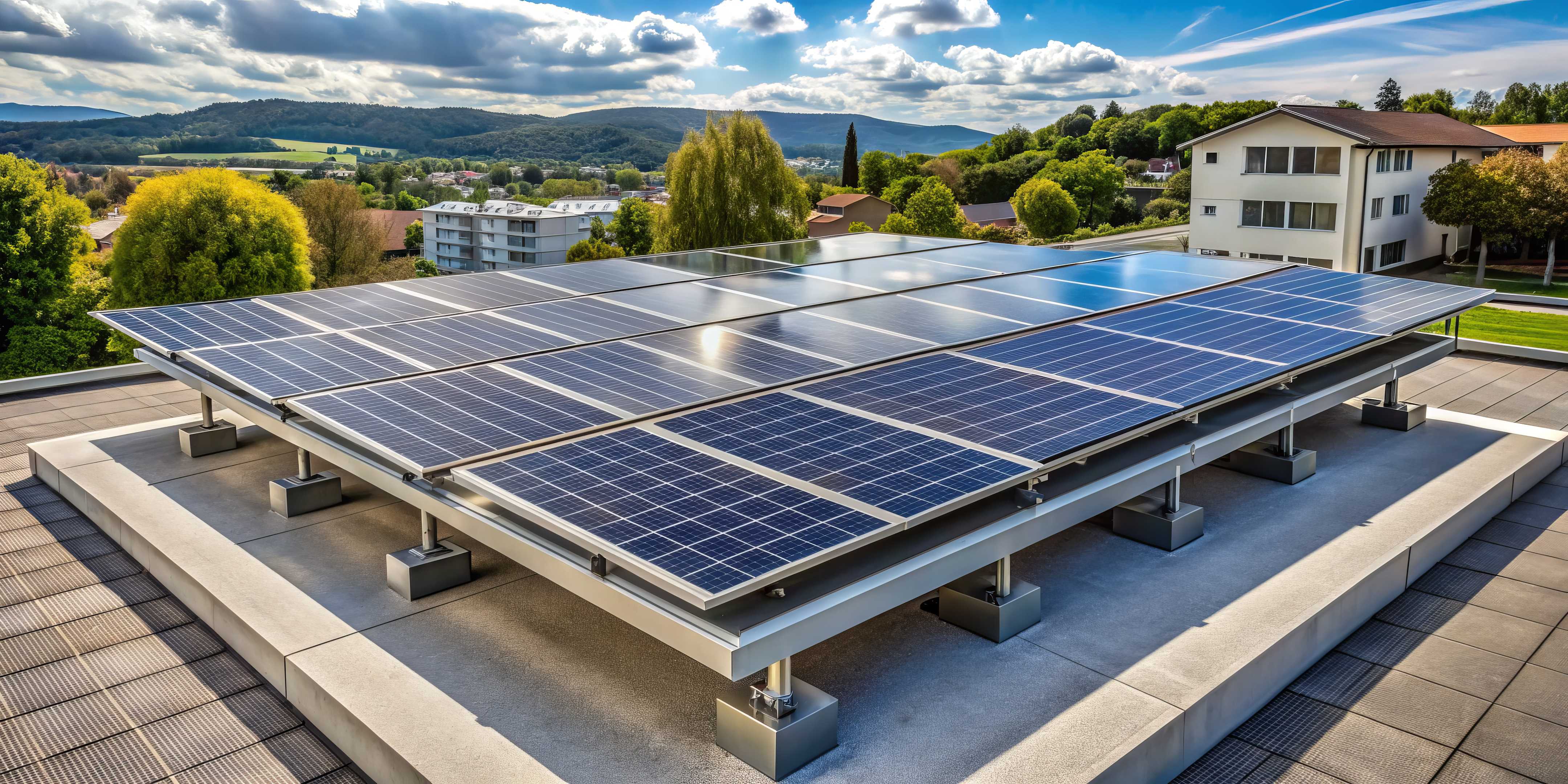
The successful integration of rooftop photovoltaics relies heavily on how the supporting structure interfaces with the roof surface. The foundation of this discipline is traffic management, which means defining fixed access routes before installation begins.

EXPERT PERSPECTIVE

“One of the most common causes of mechanical damage is foot traffic pressing construction debris – such as dropped fasteners, screws, or sharp cut-offs of steel – directly into the membrane. Keeping the working area clean during installation by establishing specific pathways and using temporary mats or protective slabs shields the membrane from abrasion and protects the stone wool from being trampled in critical areas.”

– David Albinsson, Application Manager Flat Roof at Owens Corning Paroc.
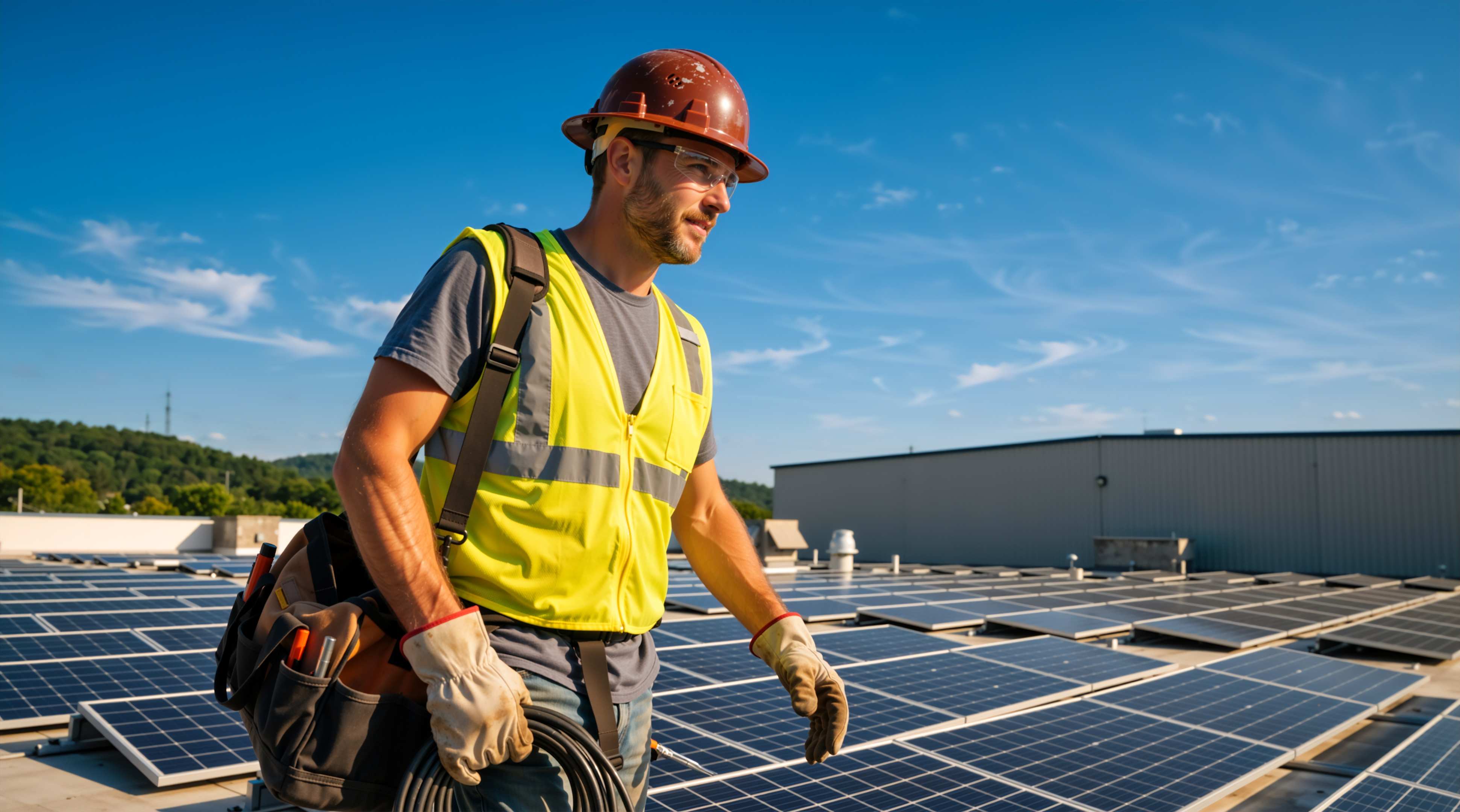
Installation of a photovoltaic system on a flat roof

Logistics related to material transport are equally important. Storing heavy pallets of modules in a single location generates high pressure. These elements should be distributed evenly, preferably in zones aligned with the structural supports.

Additionally, since the feet of ballasted PV systems generate immense pressure over a tiny contact area, it is essential to separate the PV structure from the roof using separation pads (rubber mats, SBR granulate, or EPDM). Ensure these materials are chemically compatible with the membrane manufacturer's guidelines.

Frequently Asked Questions (FAQ)

Share this page on: