




This is a cache of https://www.paroc.com/en/article/how-to-benefit-from-the-en-17956-standard. It is a snapshot of the page as it appeared on 2026-02-22T03:16:12.344+0000.
How to benefit from the EN 17956 standard | <strong>paroc</strong> Article
Skip to main content
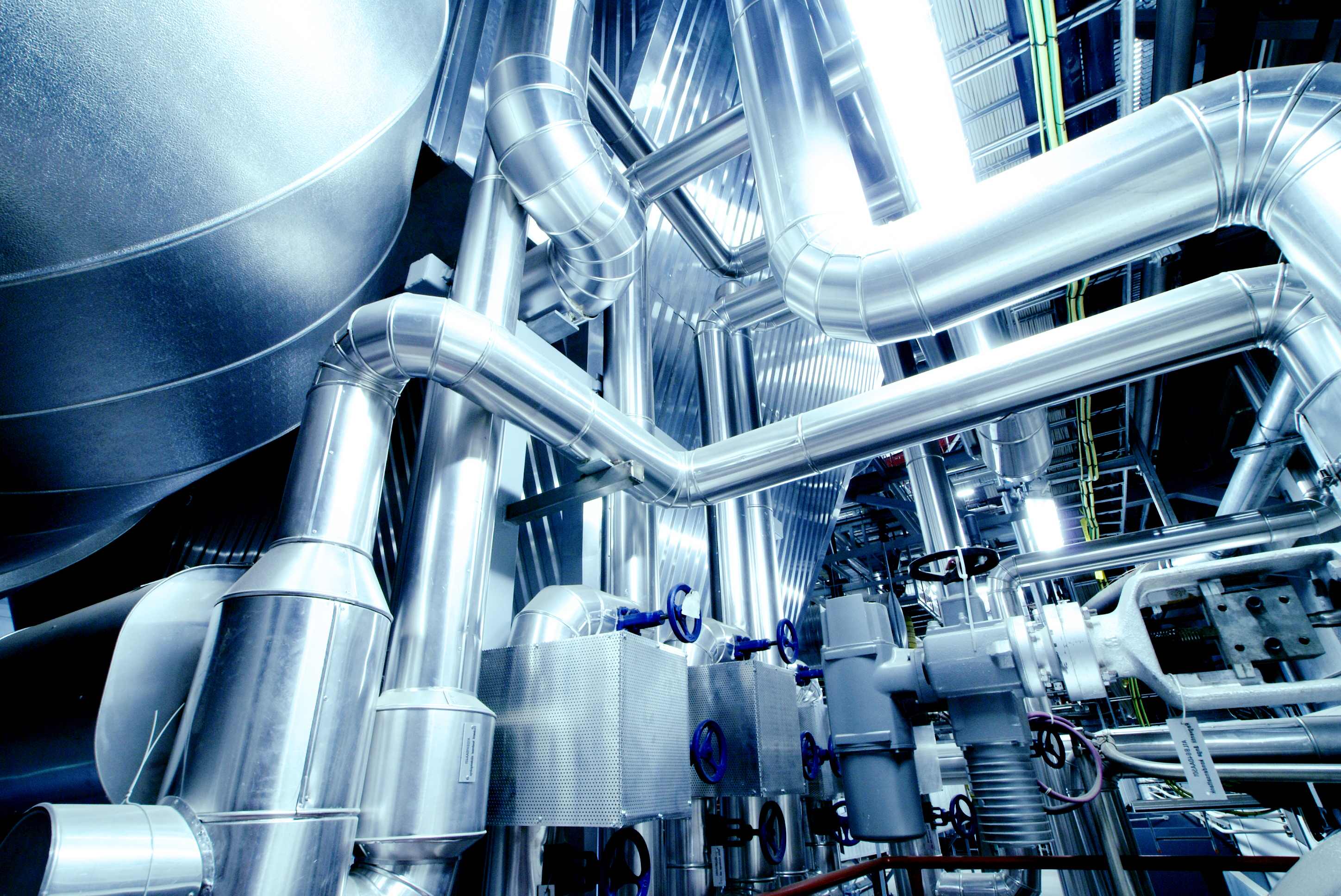
Background showing insulated pipes and elbows in the process industry

How to benefit from the EN 17956 standard

Date Published 2025-02-10

The new European standard EN 17956 classifies insulation solutions into energy efficiency classes. paroc Specification & Project Manager Craig Treanor, who was part of the working group that developed the standard, shares insights into its most important benefits for the industry, customers, and the planet.


When you buy a refrigerator, you’re used to seeing an energy label sticker attached to it. If the appliance has an energy class A, you know it’s energy-efficient and will save you money on energy bills compared to, say, an appliance with an energy class E.

Now, with this same simple classification system, you can also specify energy efficiency classes ranging from A to G for industrial insulation.

In December 2024, the new European standard EN 17956 was published. It defines criteria for the energy performance of insulation systems used in industrial applications and categorizes insulation solutions into energy efficiency classes, from A (most efficient) to G (least efficient).

This classification helps in specifying insulation solutions that meet desired energy performance standards. It’s the most significant step forward I’ve witnessed in my career in Technical Insulation.

Reiterating the importance of the classification Andreas Gürtler, Foundation Director of the European Industrial Insulation Foundation (EiiF), said:

“EN 17956 is the first European standard defining the energy performance of technical insulation systems, independent of materials and solutions. The energy classes, ranging from A to G, also provide information on indicative space requirements, helping plant designers plan sufficient space for the chosen insulation performance."
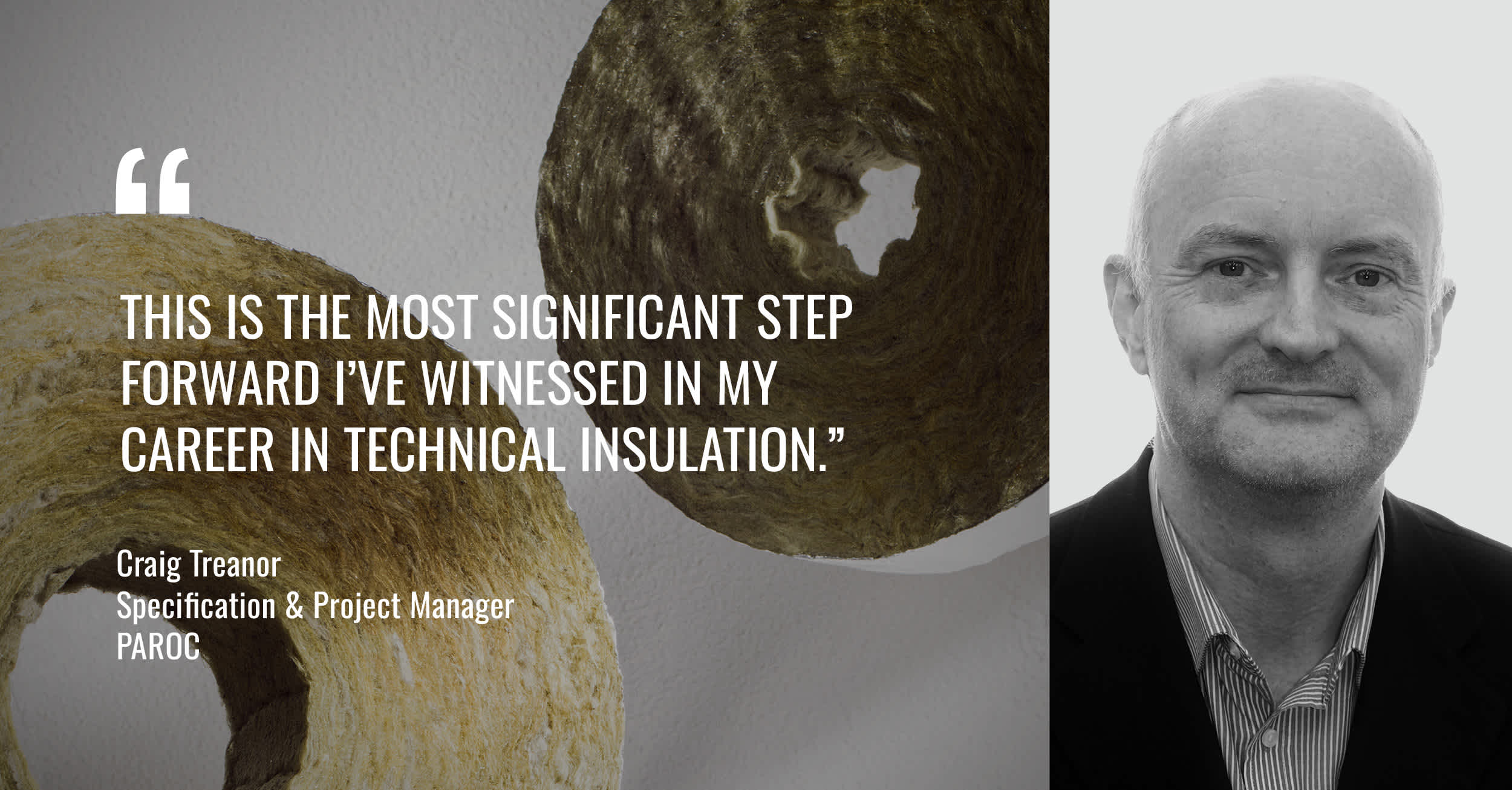
Craig Treanor’s Quotes on the Significant Achievements in Technical Insulation, image

How does the standard change the industry?

This is the first standard to establish a consistent method for defining industrial insulation thicknesses across all of Europe. It provides a clear framework for compliance with energy efficiency regulations.

EN 17956 has the potential to drive improved energy efficiency across all European countries in a consistent way, particularly in the most energy-intensive sectors. While insulation standards vary across Europe, this standard provides an opportunity for everyone to speak the same language and work within the same framework.


How does the calculation method work?

It’s the easiest concept to understand in all of Technical Insulation. The European Industrial Insulation Foundation (EiiF) has published an easy-to-use Energy Efficiency Class Calculator, which is available for free.

Once you have determined the required energy efficiency level for the insulation, you specify the operating temperature and identify the type and size of the equipment to be insulated. The standard provides the maximum heat loss permissible for the selected energy class. It’s beautifully simple.


How does the standard benefit specifiers?

When you first define the preferred energy class, the maximum heat transfer allowed for the object is immediately presented, along with an indication of the necessary space to accommodate a typical insulation solution. This helps significantly in preventing inadequate space for insulation, which has been a challenge in the past.

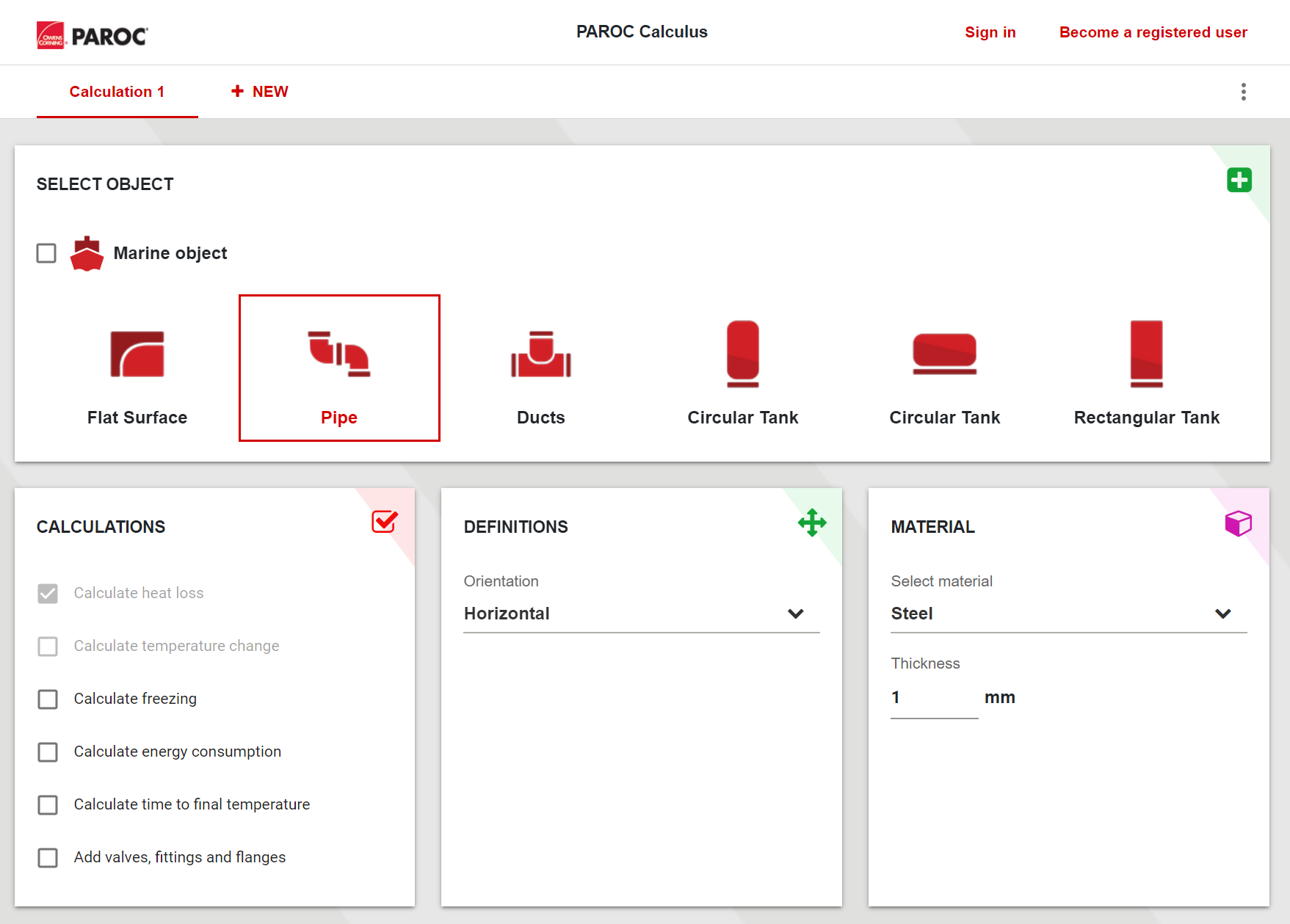
It is important to note that the space requirement provided is only indicative. You will need a calculation tool compliant with ISO 12241:2022 to determine the final insulation thickness. On the paroc website, we offer a calculation program called Calculus, which is updated to the latest standard and available for everyone to use.


What are the broader benefits of using the EN 17956?

I believe that the energy efficiency classification will help the industry identify widely overlooked energy efficiency opportunities and enhance its global competitiveness. According to an EiiF study*, if all industrial systems in Europe were insulated in accordance with energy class C, 14 Mtoe of energy could be saved, offering the potential to reduce the EU’s CO₂ equivalent emissions by 40 Mt every year.

Effective insulation can reduce energy consumption and contributes to CO₂ reductions, helping to slow down global warming. It also can result in lower operational costs – every watt saved is energy that doesn’t need to be paid for.

Industrial Insulation Systems

Specification Guides

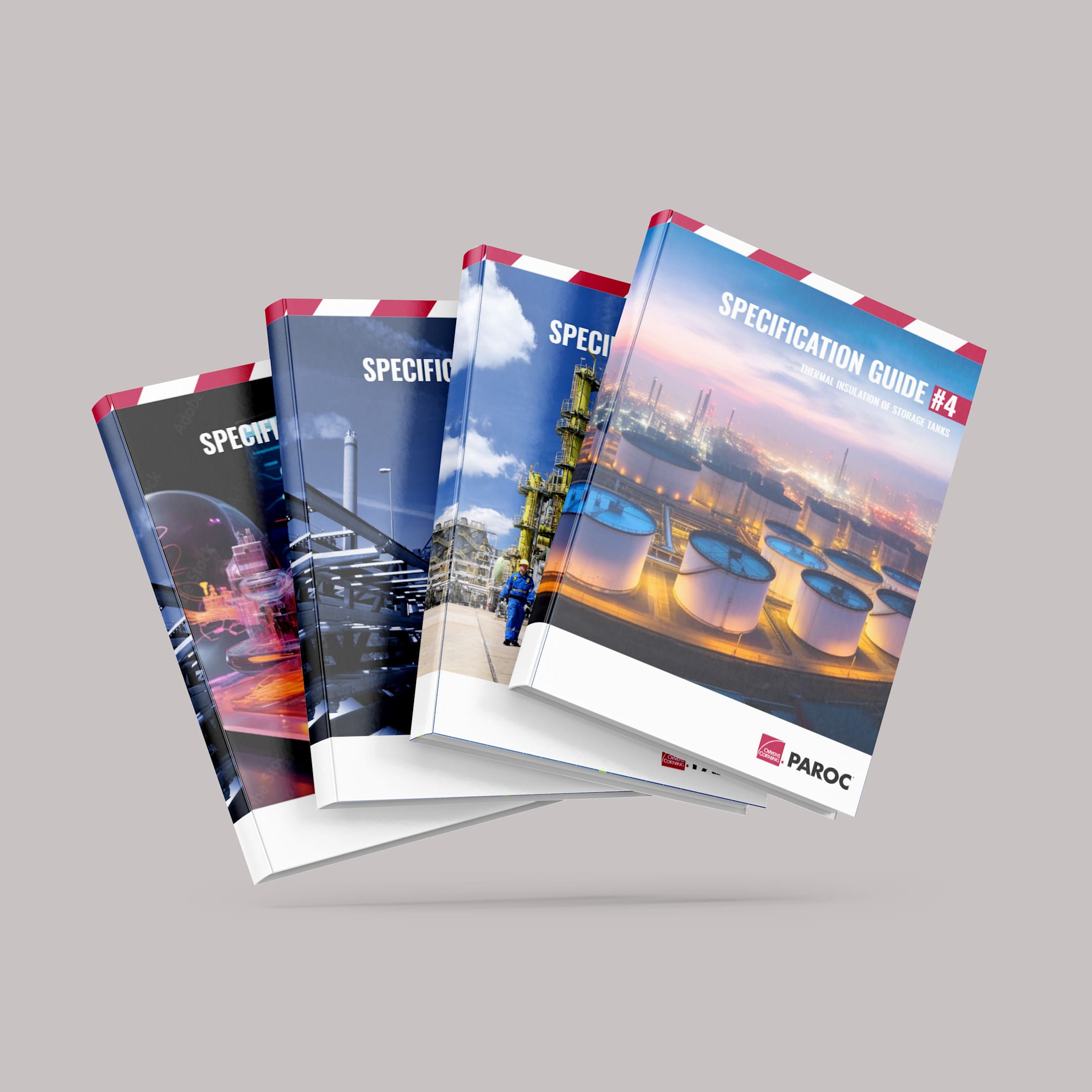
We are pleased to announce a new initiative to support the most effective and durable installations of industrial insulation systems by offering four comprehensive specification guides: straight pipes, equipment, elbows, and tanks. These guides provide engineers, contractors, and facility owners with all the necessary information for the design, installation, and maintenance of their insulation systems.

Four specification guides on a gray background, related to PAROC industrial insulation systems
Share this page on: