




This is a cache of https://www.paroc.com/en/article/energy-renovations-a-key-to-saving-energy-in-europe. It is a snapshot of the page as it appeared on 2026-02-04T03:25:47.059+0000.
Energy Renovations: A Key to Saving Energy in Europe | Paroc Article
Skip to main content
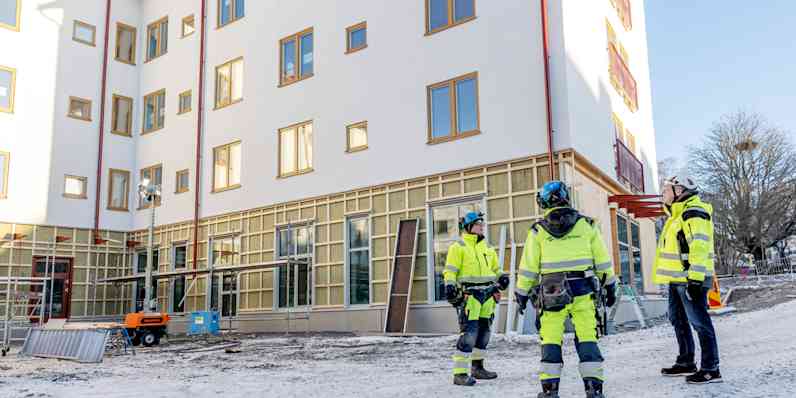
A building that is undergoing an energy renovation of the facade.

Energy Renovations: A Key to Saving Energy in Europe

Written By ParocDate Published 2025-10-20

What a waste. That’s the best way to describe the energy lost in European buildings and industrial plants every single day.

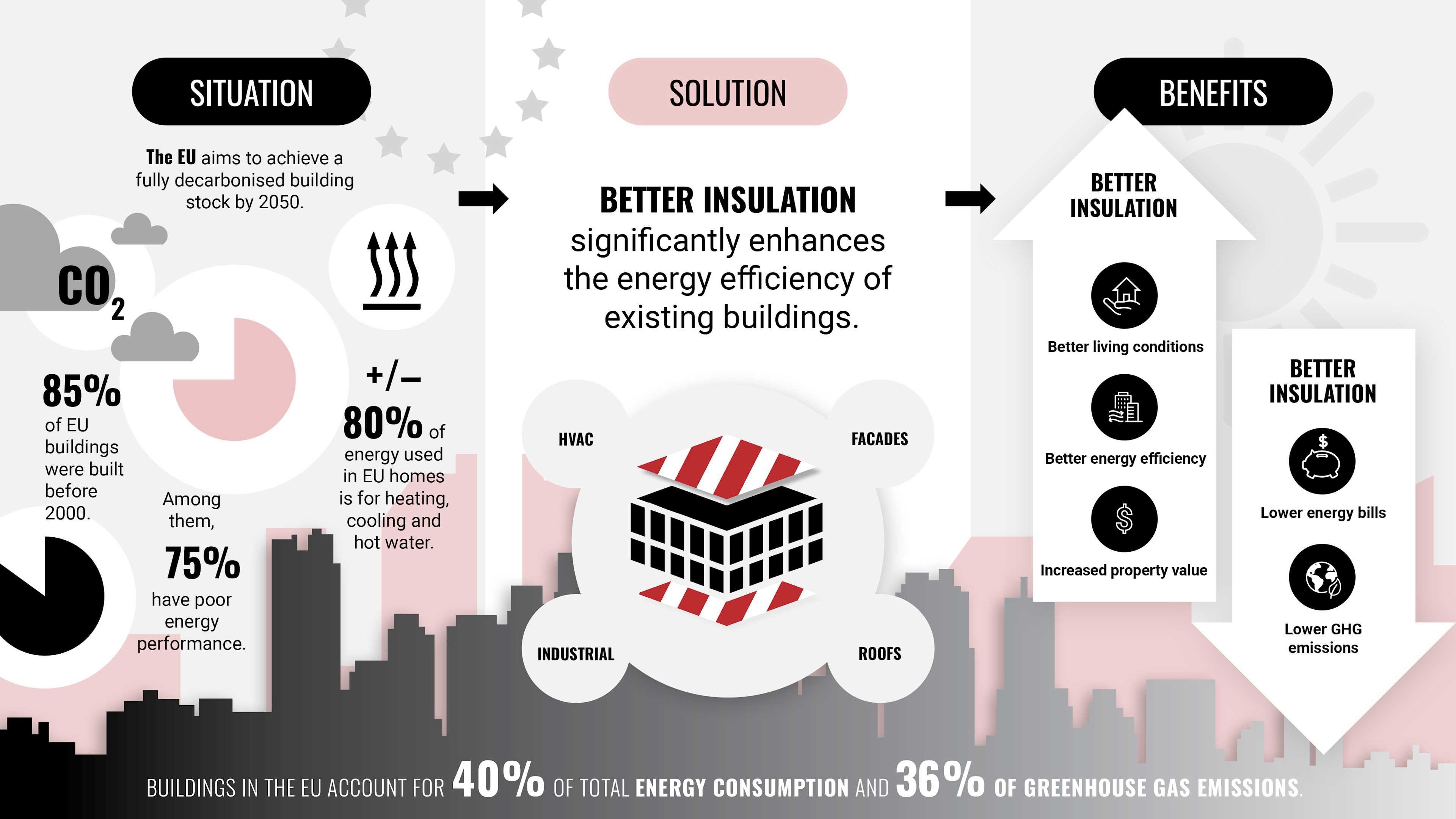
Here’s the reality in numbers: Buildings in the EU account for 40% of total energy consumption and 36% of greenhouse gas emissions. What’s more concerning is this: 85% of EU buildings were built before the year 2000, and among them, 75% have poor energy performance. In other words, they are not energy efficient.

Fortunately, this is a challenge that can be solved – and one that the EU has made a top priority. Improving the energy efficiency of existing buildings is crucial for reducing energy consumption and achieving the EU’s target of a zero-emission building stock by 2050.

It’s time to stop wasting energy and potential in both buildings and industry, and take action.
Energy renovations reduce bills and emissions while enhancing quality of life

Energy renovations have the potential to address three issues at once: energy costs, emissions, and living conditions.

Approximately 80% of the energy used in EU homes goes toward heating, cooling, and hot water. Improving a building’s energy efficiency through better insulation offers significant cost savings, as less energy is needed to maintain comfortable indoor temperatures. And as energy demand decreases, so do the emissions associated with energy production.

In addition to reducing costs and emissions, energy renovations also improve indoor comfort. Well-insulated buildings maintain comfortable temperatures year-round, whether it’s hot or cold outside. Stone wool insulation also absorbs sound and reduces noise, creating a quieter and more pleasant living environment.

An infographic explaining the situation, the solution and the benefits of energy renovation.

Insulation: A cost-effective way to boost energy efficiency

As a solution, insulation stands out because it significantly enhances the energy efficiency of buildings compared to other methods, such as renewable energy technologies. Consequently, insulation is often a cost-effective way to boost energy efficiency and lower energy bills.

In an energy renovation, the most critical areas to insulate are roofs and external walls. Warm air rises, so roofs are a major source of heat loss in colder climates – and in hot climates, they absorb the most sun, quickly heating the building if not insulated. External walls also cover a large surface area, making them a key target for reducing heat loss.

Renewing the insulation of the walls is often done at the same time as the façade renovation, but it doesn’t have to be. At OC Paroc, we have developed solutions where additional insulation is installed on top of the existing façade construction.

During renovation, properly insulating HVAC systems also helps reduce thermal transfer and enhance equipment performance as the system doesn’t need to work as hard to maintain the desired temperature. Well insulated HVAC systems also help to eliminate drafts and uneven temperatures creating a more comfortable living environment. PAROC® Stonewool provides durable, fire-resilient, and moisture-resistant insulation for buildings, HVAC systems, and industrial applications.

Industrial insulation retrofits: A huge opportunity for energy savings

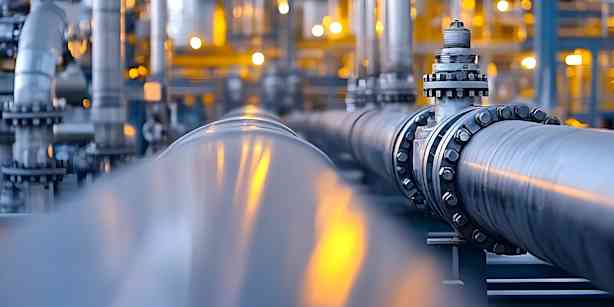
As previously mentioned, the need for energy renovations goes beyond buildings. Many industrial plants in the EU are aging and urgently require insulation retrofits. According to a study by the European Industrial Insulation Foundation (EiiF), upgrading insulation systems in industrial processes to energy class C could reduce energy loss in European industry by up to 88%.

Improving industrial insulation could save as much energy annually as the total consumption of more than 10 million households – or over 20 million cars.

Despite the massive potential savings, the payback times for these investments are surprisingly short. Based on data from 100 EiiF Technical Insulation Performance Checks (TIPCHECKs) conducted at European plants, a one-time investment of €50,000 in technical insulation can deliver energy cost savings of €250,000 over 10 years, with an average payback time of less than two years.

Warning: This video contains flashing images that could trigger seizures for people with photo sensitivity.

Energy renovation future-proofs properties

Energy renovation of an existing building not only improves energy efficiency but also increases a property’s value and preserves its appeal and functionality for years to come. Lowering operational costs is a benefit that materializes right from the start.

An insulated building is a better-quality building in every respect. The advantages of proper insulation are long-lasting – benefiting not just today’s occupants and owners, but future generations as well.

Want to learn more about our energy renovation solutions?

Share this page on:

Related Articles

A building that is undergoing an energy renovation of the facade.

Energy Renovations: A Key to Saving Energy in Europe

Improving the energy efficiency of existing buildings is crucial for reducing energy consumption and achieving the EU's target of zero-emission buildings. Energy renovations have the potential to address three issues at once: energy costs, emissions, and living conditions.
Read more
Industrial insulation

High-Temperature Insulation: A Guide for Industrial Applications

Learn all you need to know about high-temperature insulation for industrial applications. Technical guides, product information and tips for insulating high-temperature industrial apparatus.
Read more
high-quality insulation plays an important role in the buildings.

Collaboration between designers and material manufacturers promotes energy-efficient construction

Designers play a key role in making safe, functional and environmentally sustainable choices, including the materials for buildings.
Read more