

In the world of large-scale architecture, the term "flat roof" is a misnomer that belies a complex engineering challenge. In this article, we will examine the critical role of proper drainage, moving beyond simple insulation to explore how tapered stone wool solutions eliminate standing water, reduce structural weight, and streamline the construction process for architects and contractors alike.
Mastering the slope: the case for tapered insulation in flat roof design
Written By PAROC•Date Published 2026-05-18
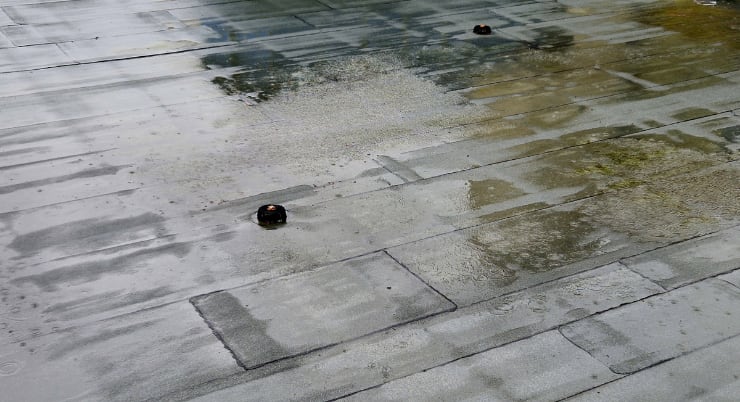
A truly level roof is a liability, as water is the single most persistent threat to a building’s structural integrity. When rainwater or meltwater fails to move, it creates standing pools that are far more than a simple nuisance; they represent a countdown to failure. First, let’s take a closer look at the problem.
What are the hidden costs of standing water on a flat roof?
What are the hidden costs of standing water on a flat roof?
The constant presence of moisture on a roof surface can lead to several severe issues:
- Accelerated degradation: it degrades even the most premium roofing materials over time.
- Structural strain: standing water adds significant and unexpected static dead loads to the building structure.
- Membrane damage: it creates a hostile environment for the waterproofing membrane, contributing to chemical breakdowns and physical damage, which ultimately leads to costly leaks and premature replacement.
Proper water drainage is therefore not merely a feature – it is a critical factor for the long-term performance of any modern facility.
EXPERT PERSPECTIVE
“Roof safety today is defined by how the entire build‑up performs as a system – from drainage design and structural behaviour to insulation, waterproofing and long‑term use. By integrating the fall into the insulation layer, the roof build‑up becomes more controlled and predictable, avoiding heavy screeds while providing a stable base for the waterproofing. This approach supports safety during construction and throughout the roof’s service life.”
– David Albinsson, Application Manager Flat Roof at Owens Corning PAROC.

Why is tapered insulation the preferred solution for prescribers?
Why is tapered insulation the preferred solution for prescribers?
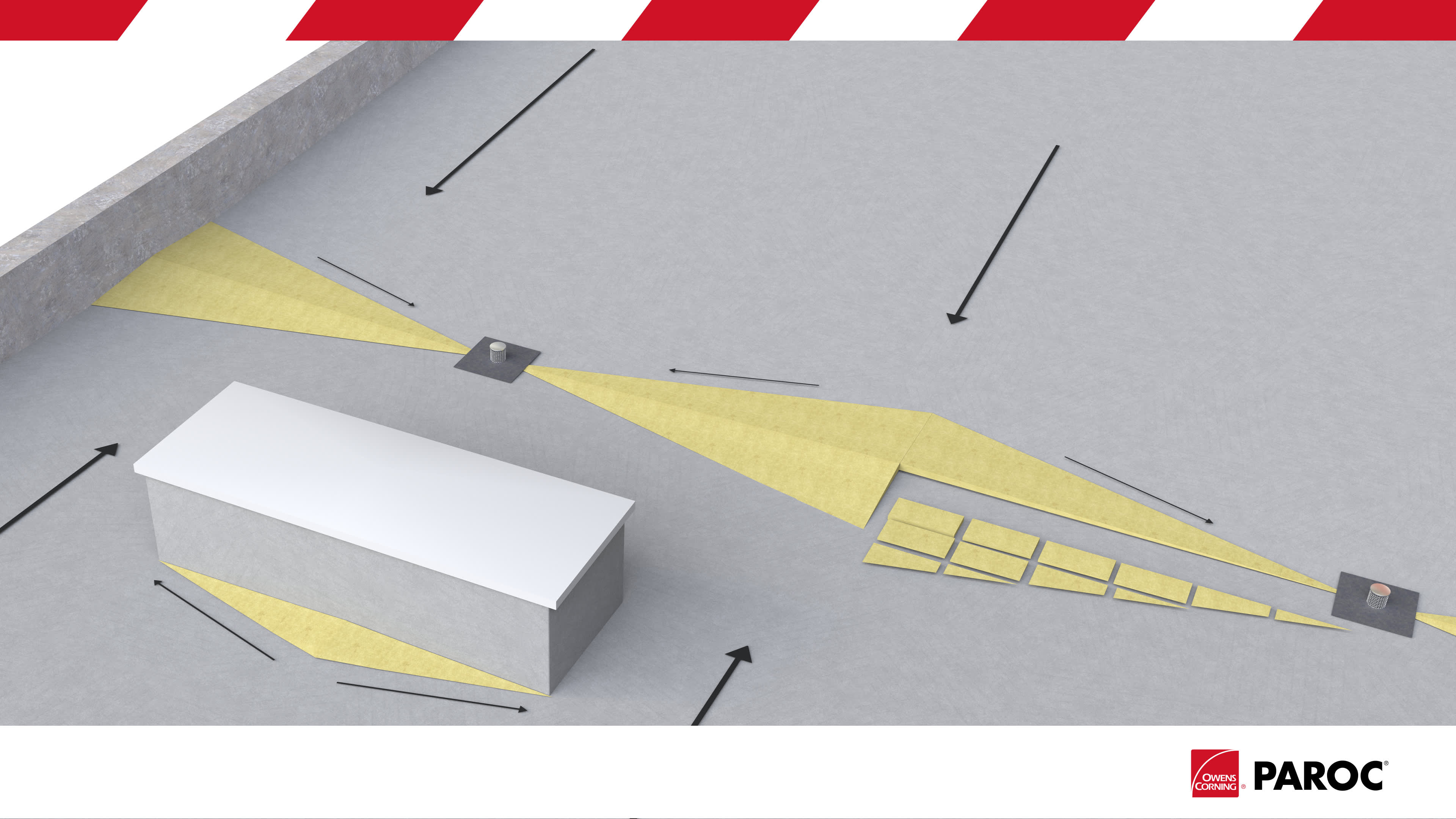
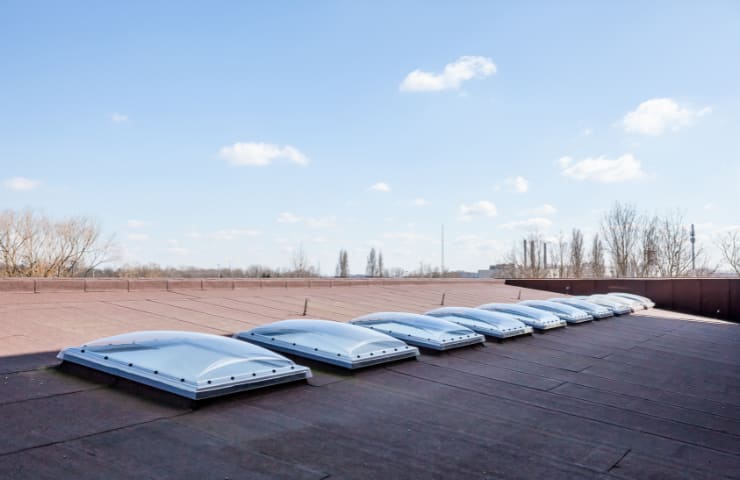
For the architect, a tapered insulation system offers a level of design flexibility and system integrity that is hard to achieve with traditional, structural slopes. By utilizing advanced, high-performance stone wool solutions, such as the PAROC ROU or PAROC ROV slabs, designers can engineer complex water-routing patterns, including quarter, half, or full diamond crickets, to drive water toward the drains with surgical precision. This helps roofs to remain effectively dry, moving moisture away from vulnerable areas like parapets or walls.
Beyond drainage, this solution provides a stable, non-combustible substrate that enhances the overall safety and energy efficiency of the building envelope.
EXPERT PERSPECTIVE
“Where flat roofs once relied on fixed structural slopes or rigid screed solutions, modern roof design embraces flexibility. Creating drainage falls within the insulation layer using tapered stone wool allows slopes to be tailored precisely to the roof layout, drainage strategy and on‑site realities – supporting faster decisions, easier adjustments and more efficient project delivery.”
– David Albinsson, Application Manager Flat Roof at Owens Corning PAROC.
How does tapered insulation improve efficiency for contractors?
How does tapered insulation improve efficiency for contractors?
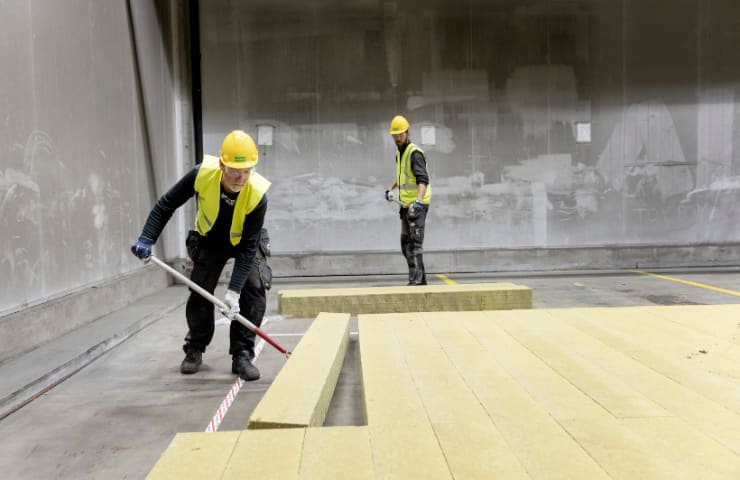
From a construction perspective, tapered insulation solutions represent a significant shift toward operational efficiency. For the contractor, the primary benefit is speed – the slope is achieved during the insulation installation, eliminating the need to modify the roof’s structural surface. This means no waiting for "wet" structural layers to cure or dry before the waterproofing can be applied, effectively shortening the construction timeline and reducing weather-related delays.
The installation process is further streamlined through the use of pre-calculated wedge-shaped slabs. For example: the PAROC ROU 60 5 system provides a clear, standard gradient – such as a 1:40 (2.5%) slope – using a set of five distinct plates that fit together like a puzzle. These components are designed with high compressive stress (σ10 ≥ 60 kPa), ensuring they remain robust enough to handle the inevitable foot traffic during the installation phase without compromising the precision of the designed slope.
The lamella advantage: how does PAROC RTL minimize roof layers?
The lamella advantage: how does PAROC RTL minimize roof layers?
Traditional slope-forming strategies often demand a multi-layered insulation build-up. In some specific cases, stacking numerous slabs to achieve both the target thermal resistance and the precise gradient would pile too much weight and structural load onto the roof. Furthermore, every additional layer complicates site logistics and slows down the construction timeline.
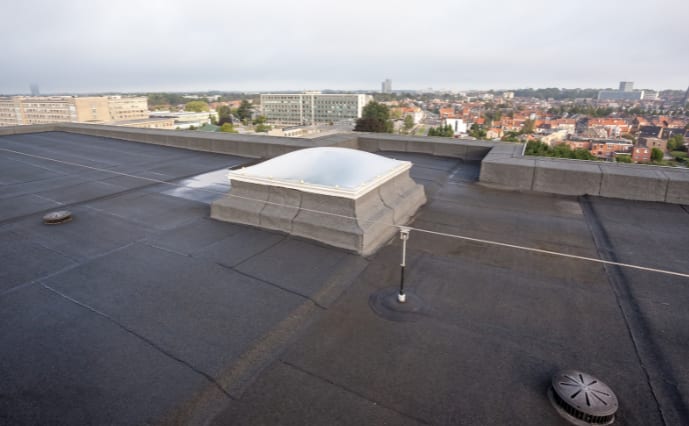
This is where the PAROC RTL system provides a solution. Instead of stacking additional materials to build a slope, this approach utilizes vertically oriented stone wool lamellas where the lamella itself is the tapered product.
- By creating the fall directly during the laying process, it completely eliminates the need for an additional slope-forming slab, minimizing the total number of insulation layers required for the roof build-up.
- The vertical fiber orientation enables improved compressive performance, meaning the insulation strictly "holds its shape" and maintains its thickness even under heavy, continuous loads.
EXPERT PERSPECTIVE
“The vertical lamella structure of PAROC RTL enables high compressive performance and efficient material use, combining slope and load‑bearing function in a single layer. This reduces build‑up thickness, material redundancy and installation effort, with positive effects on construction efficiency and the roof’s overall environmental footprint.”
– David Albinsson, Application Manager Flat Roof at Owens Corning PAROC.
Which roof fall solution should I choose?
Which roof fall solution should I choose?
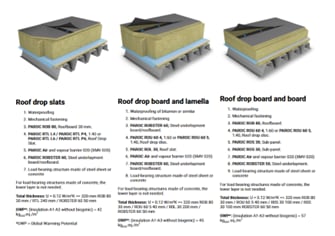
Selecting the right drainage strategy depends on your project’s specific structural requirements, load-bearing capacity, and thermal targets. To help you navigate these options, the following comparison illustrates how different combinations of boards, lamellas, and slats can be optimized to create a high-performance, moisture-resistant system.
Protecting the building’s future
Protecting the building’s future
By integrating the slope directly into the thermal insulation, designers and builders gain a reliable, all-in-one solution that can stand the test of time. Architects can maintain optimal insulation performance across the entire roof surface while contractors benefit from a system that is as easy to install as it is effective. Whether dealing with standard slopes or counter-slopes designed to direct water away from parapets, the use of tapered stone wool slabs acts as an “insurance policy” against the elements, turning a potential structural weak point into a manifestation of intelligent engineering.
Ultimately, a tapered insulation strategy is about more than just moving water – it is about protecting the building’s future. With PAROC’s technical support available from design to installation, professional designers and contractors can achieve an optimal balance of slope, thermal performance, and long-lasting protection.
Frequently Asked Questions (FAQ)
Frequently Asked Questions (FAQ)
Why is standing water so dangerous for flat roofs?
How does tapered insulation replace traditional roof slopes?
What makes the PAROC RTL system different from standard tapered boards?