




This is a cache of https://www.paroc.com/en/applications/technical-insulation/process-industry/storage-tanks/tank-walls. It is a snapshot of the page as it appeared on 2026-02-04T00:19:26.576+0000.
Tank wall insulation | Paroc Applications
Skip to main content

Tank wall insulation

Reduce thermal loss and prevent CUI

Storage tanks are usually an essential part of many industrial processes and come in various shapes and sizes. The temperature of the material stored in tanks can vary greatly from process to process. Proper and tight thermal insulation helps minimize thermal loss so that the contents of the tank are not exposed to temperature fluctuations. Learn more about thermal insulation >

Low lambda values and excellent water-repellent properties are the most important characteristics to consider when selecting insulation materials for moderate-temperature storage tank walls. Resilience as a combination of pressure resistance and flexibility is also a valuable property when insulating vertical walls.

All our products for the insulation of tank walls and tank roofs are available as WR (water-repellent) products. Since their average water absorption is 10 times lower than the toughest known standard (EN1607), they provide excellent protection to minimize the risk of CUI (corrosion under insulation). 

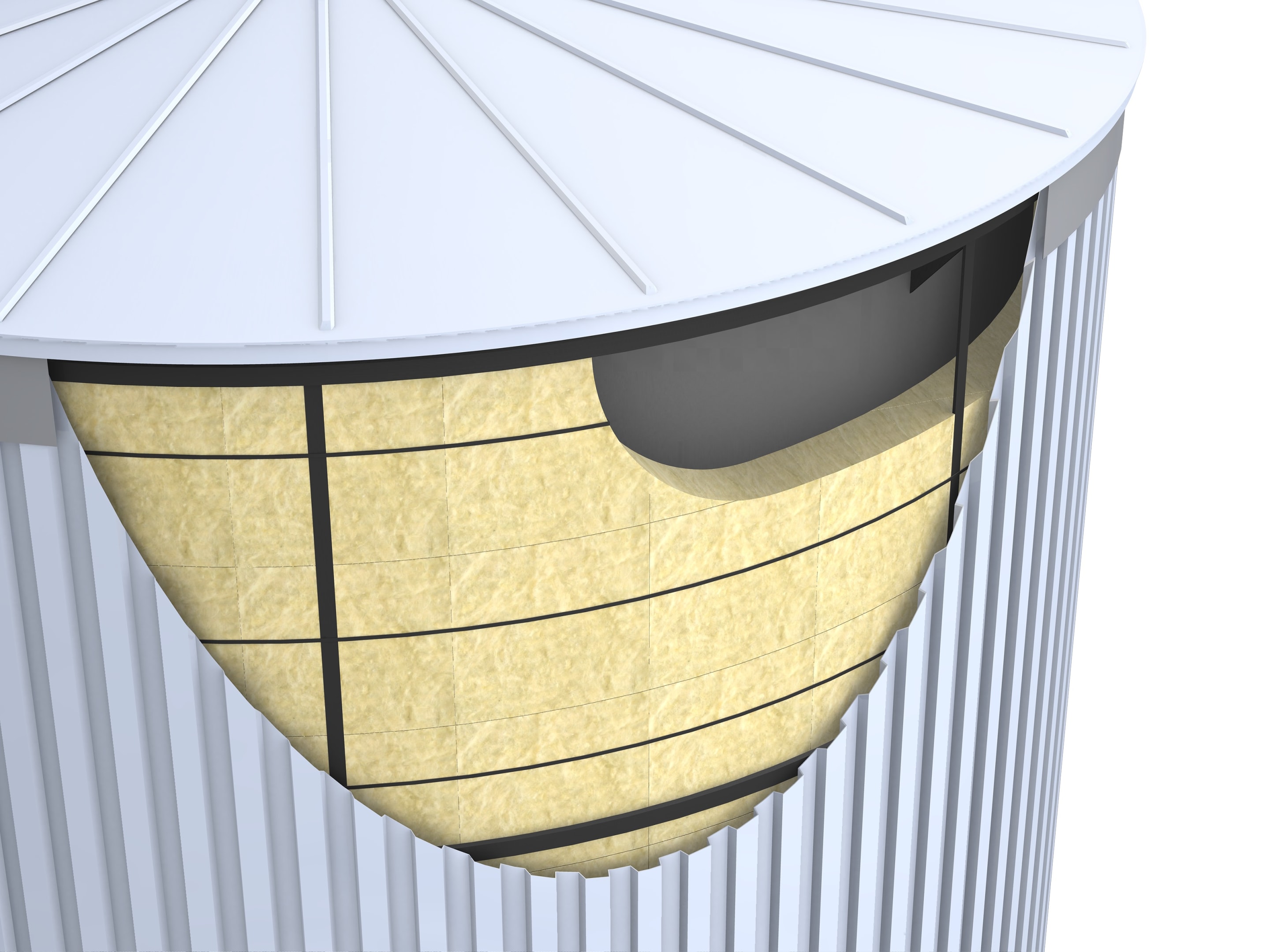
Tank wall insulation solutions, image

Benefits from tank wall insulation

Complete insulation system for indoor and outdoor applications

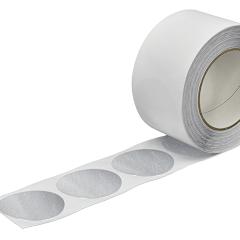
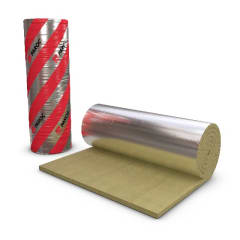
With PAROC® Clad system, we offer a water-proof product line consisting of pipe sections, elbow solutions, lamella mats and accessories. The Clad facing is water resistant (according to PN-EN 1928:2002 method B), UV resistant (when installed with Paroc Clad Alu tape), resistant to salt water, high puncture resistance (tested according to EN 14477) and resistant against hail storms class HW3.

Due to its special facing, PAROC® Clad system eliminates the need for additional cladding or prefabrication resulting in savings on costs and installation time and enabling an easy installation even under high wind loads.

For high temperatures

Our products can provide long-lasting performance also at high temperatures and are resistant even at service temperatures of up to 700 °C, ensuring smooth operation.

Please consult the respective product data sheet for more information.

High flexibility and strength

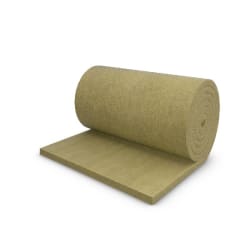
Our PAROC® Pro Slabs (WR), Wired Mats (WR) and Mats (WR) have been specially developed to meet these challenging demands and offer optimum insulation properties even in the event of major temperature fluctuations due to stone wool’s high flexibility and mechanical strength.

Please consult the respective product data sheet for more information.

The right insulation for moderate-temperature tank walls

Depending on the tank diameter, we recommend using flexible stone wool slabs, such as PAROC® Pro Slab (WR) 350, or semi-rigid slabs, such as PAROC® Pro Slab (WR) 450.

For large diameter storage tank walls and when the operating temperature requires the use of higher density stone wool, rigid slabs such as PAROC® Pro Slab (WR) 660 are suitable.

Please consult the respective product data sheet for more information.

The right choice for the right insulation

For accurate insulation, it is not only important to pay attention to the correlation between the rigidity of the insulation slab and the curvature of the object, but also to take following two parameters into consideration: The maximum distance between the inner surface of the insulation and the surface of the curved object (radial divergence) and the maximum opening of the vertical joint on the outside of the insulation layer, known as longitudinal joint opening.

At high and low storage temperatures

For storage tanks in which liquids are stored at higher temperatures, some special considerations should be made, as the temperature differences between the insulation and the cladding can lead to a ‘chimney effect’ occurring with high tank walls, in which air flows upwards.

The insulation should be selected according to local requirements or specifications. Storage tanks tend to expand or contract due to temperature fluctuations and when the stored liquid is filled or emptied, the so-called ‘bulging phenomenon’ can occur. For storage temperatures above 100 °C, PAROC® therefore recommends double-layer insulation

Storage tank insulation, image

For high and low storage temperatures

With our stone wool-based PAROC® Pro Slabs tank wall insulation, air movement within the insulation can be prevented and heat convection minimized. They can therefore help prevent the ‘chimney effect’ caused by temperature differences between the insulation and the cladding and have been designed for both large cylindrical and flat surfaces.

For large tanks with higher temperatures, we recommend PAROC® Pro Slabs (WR) 640, 680, or 700 with an aluminum coating on the exterior. The slabs should be attached directly to the tank wall surface. For low-temperature tanks, we recommend the use of PAROC® Pro Slabs (WR) 350 in a single layer, with the slabs secured with welded pins.

Based on our certifications to ISO 14025, ISO 21930 and EN 15804, we have received the Environmental Product Declaration (EPD) numbers NEPD-4100-3121-EN and NEPD-4101-3121-EN.

Products

Filter

Show All Filters

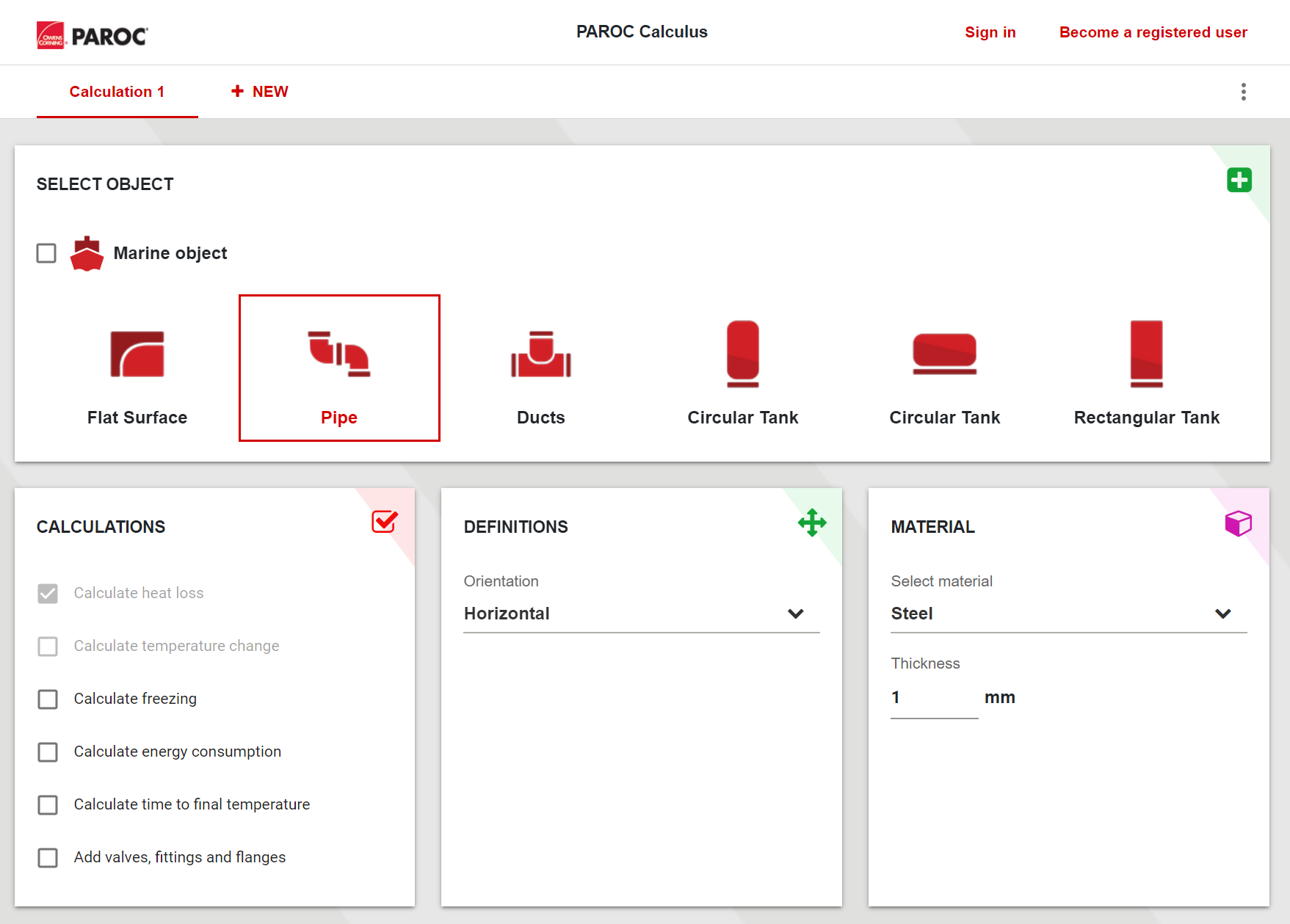
PAROC Calculus 

PAROC Calculus is a technical insulation calculation program for dimensioning thermal insulation for various applications in the HVAC and Process industries.

PAROC Calculus features:

• Easy-to-use interface; works on PCs, tablets, and cellphones

• Calculations of heat losses, surface temperatures, and temperature drop in pipes, ventilation ducts, process industry tanks, valves, and flanges

• Simple input of pipe diameters and duct dimensions (predefined)

• Correcting for thermal bridges of pipe and duct suspensions

• Print calculations as a PDF. Multiple simultaneous printouts in PDF are possible

• Saving projects and customizations (for registered users)

• Calculations based on the ISO 12241:2022 standard

Screenshot of Paroc Calculus software interface showing insulation calculation results for HVAC applications

Contact Paroc Technical Insulation