

This is a cache of https://www.paroc.com/en/article/behind-the-numbers-how-sustainable-is-stone-wool. It is a snapshot of the page as it appeared on 2026-02-22T02:27:18.448+0000.
Behind the numbers - How sustainable is stone wool? | Paroc Article
Skip to main content
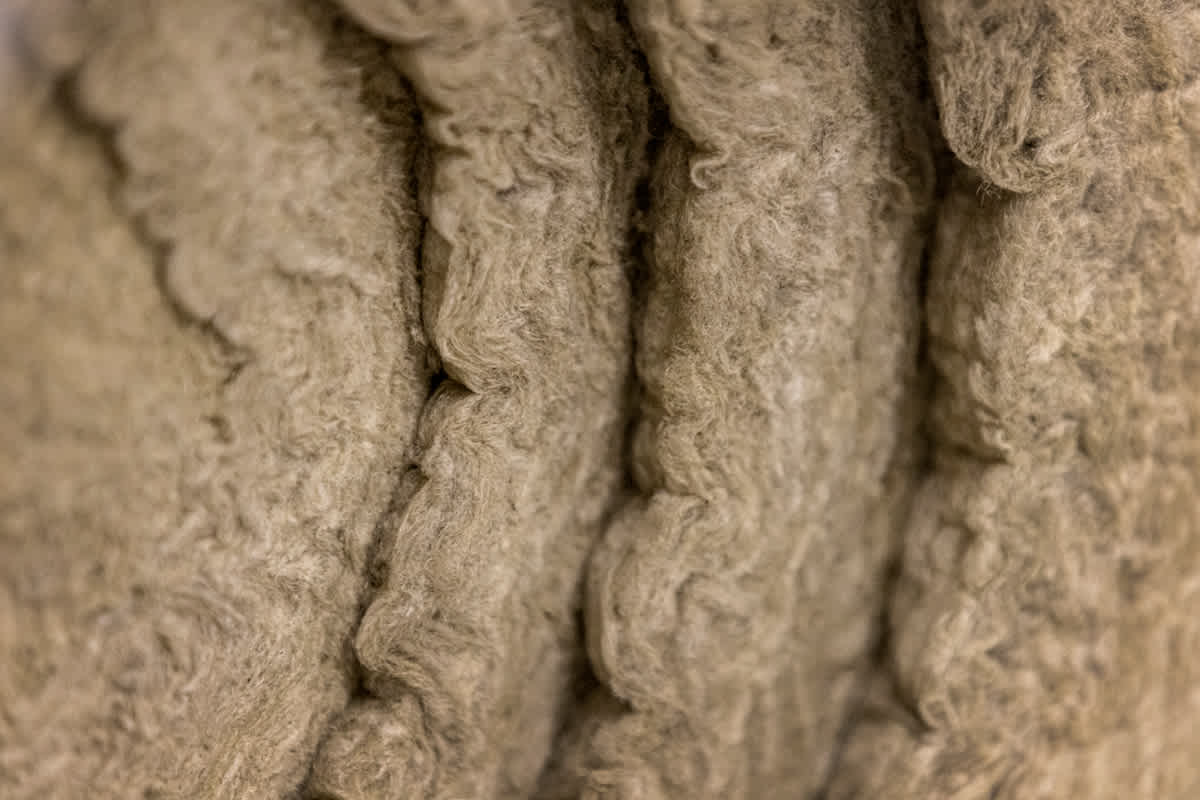
Close-up on stone wool material

Behind the numbers - How sustainable is stone wool?

Date Published 2020-12-29

Updated 2025-12-11

Buildings are among the largest contributors to energy consumption and emissions, both during the construction phase and during operations. This makes buildings a central focus of climate change mitigation efforts.1 Tackling this challenge calls for urgent solutions – and that’s where stone wool comes into play.

How does this durable material contribute to a more efficient built environment, and what’s being done to make it even better? In this article, we explore the numbers behind stone wool – its impact, benefits, and the ongoing innovations to reduce its environmental footprint.

The energy and emissions challenge in the built environment

The European Commission has estimated that on EU level, around 40% of energy consumed is used in buildings, more than a third of energy-related greenhouse gas emissions come from buildings.1 The Confederation of Finnish Construction Industries (CFCI) estimates that Finland’s built environment generates 9.5 million tonnes of CO2 annually – significantly more than the transport sector, for example.2

A great majority, 80% of this energy is used for heating, cooling and hot water. Furthermore, the European Commission estimates that 85% of buildings in the EU were built over 20 years ago, at a time when energy efficiency standards were not as strict.1 As a result, millions of houses continue to lose energy through the roofs and walls.

With better insulation, the buildings would consume less energy and would generate less emissions.

The EU’s goals for a climate-neutral built environment

To help measure the joint effort to mitigate climate change, the EU has set an objective for Europe to be the first climate-neutral continent by 2050. The plan is to at least reduce the emissions by half by 2030. Owens Corning Paroc is committed to this goal.

Noting the significance of the built sector for achieving these targets, the EU has set specific strategies to cut down the emissions of buildings. The European Commission unveiled its Renovation Wave Strategy in October 2020. The vast strategy aims to double renovation rates and, among other things, ensure that renovations lead to more energy efficient buildings. 

EU has established a legislative framework that includes the revised Energy Performance of Buildings Directive and the Energy Efficiency Directive, aiming to reach a highly energy efficient and decarbonized building stock by 2050, create a stable environment for investment decisions, and enable both consumers and businesses to make more informed choices to save energy and money.1

Reducing emissions with effective insulation

Fortunately, a part of the solution is right there in front of us: renovation of old buildings and retrofitting the insulation to meet today’s needs with durable, high-quality insulation material. 

A key measure of the environmental impact of insulation is the 1:200 ratio. According to a study by The European Insulation Manufacturers Association (Eurima), for every tonne of CO2 generated during the production of typical mineral wool insulation, around 200 tonnes of CO2 are saved over a 50-year period through reduced energy consumption in buildings.This is because mineral wool creates a climate shield that envelops the building walls and roofs thus radically reducing the energy needed for heating, cooling and use.

This substantial effect illustrates how insulation can play a crucial role in reducing overall carbon emissions in the built environment.

The great news is that we are well on track in this area with new buildings and those built in the recent years. In a number of countries such as Finland and Sweden, new buildings must meet strict criteria regarding energy efficiency.

Why choose mineral wool?

Mineral wool, including PAROC Stonewool, is the most widely used insulation material in Europe.

Owens Corning Paroc’s products are trusted for their fire resilience, sound absorption, and moisture resistance. Furthermore, the reference service life of PAROC products is equal to the reference service life of the building*, which positions PAROC Stonewool as a durable insulation material.

Mineral wool is an excellent insulation material that makes buildings not only extremely energy-efficient but also fire resilient”, concludes Mats Björs, CEO at Swedisol, the Trade Association for Leading Mineral Wool Insulation Manufacturers in Sweden.

Additionally, PAROC Stonewool can be recycled into new stone wool products and off-cuts can be shredded into blowing wool. Stone wool material can also be ground into fiber shreds and reused directly as raw material to manufacture new stone wool. 

Each PAROC® insulation slab reduces the energy consumption of buildings, thereby contributing to CO2 emissions reductions.

*Please check the product-relevant DOPs for more information.

Owens Corning Paroc is taking action to minimize its footprint

Despite its advantages of improving energy efficiency in buildings, producing stone wool naturally causes some emissions, as presented in the 1:200 ratio’s number one, indicating the amount of carbon dioxide generated by the production process. Are the production emissions really something worth thinking about since the advantages outweigh the disadvantages several times over?

Of course it is”, says Beatrice Hallén, Sustainability Leader at Owens Corning Insulation Europe and Paroc.

Stone wool is produced in an energy-intensive process which, depending on fuel and technology, releases CO2 during the manufacturing. In the perspective of the carbon footprint of a complete building the impact of different insulation materials is very limited, but nonetheless Owens Corning Paroc wants to bring the numbers down.

As soon as we achieve halving that number one, the ratio of manufacturing of mineral wool and saving emissions improve. We are persistently working in order to make our manufacturing process as low-carbon as possible. We believe each act makes a difference in fighting climate change."

What does it take to halve the emissions generated by the manufacturing of mineral wool and, ultimately, to minimize these emissions? 

First and foremost, it requires investing in new technology and circular economy, believes Mats Björs.

OC Paroc Sustainability Leader Beatrice Hallén
Share this page on: