




This is a cache of https://www.paroc.com/en/article/pioneer-in-electric-melting. It is a snapshot of the page as it appeared on 2026-02-22T02:19:14.486+0000.
80% less CO2 emissions – <strong>paroc</strong> is a pioneer in electric melting | <strong>paroc</strong> Article
Skip to main content
benefits of electric melting: 100% renewable electricity, 80% less Co2 emissions, 20% more energy efficient

80% less CO2 emissions – paroc is a pioneer in electric melting

Written By parocDate Published 2021-02-22

Updated 2025-12-11

Electric melting is a hot topic in stone wool manufacturing due to its significant environmental advantages over traditional coke-fired furnaces. Electric melting is around 20% more energy-efficient than coke-fire furnaces and can reduce CO2 emissions by up to 80% when powered by renewable electricity. For manufacturers, this means not only lower energy consumption but also reduced operational costs and a smaller carbon footprint. For customers, it results in a product that supports sustainability goals and aligns with the growing demand for materials with low environmental impact. Electric melting technology arrived at Owens Corning paroc’s factory in Finland 35 years ago – decades before other companies adopted it. This competitive advantage has provided paroc with a wealth of knowledge and enabled the production of low-carbon products for many years.

However, innovation seldom comes without challenges, and paroc’s pioneering work in the development of electric melting has been a story of persistence and lessons learned.
Establishing the first industrial electric melting furnace

paroc’s journey into electric melting started at the factory in Lappeenranta, Finland, where a small electric melting furnace had operated since the 1950s. This furnace already produced superior fiber quality compared to the traditional coke-fired cupola furnaces. However, as environmental concerns over sulphur emissions from coke increased, along with the price of coke itself, paroc recognized the need to scale up the solution.

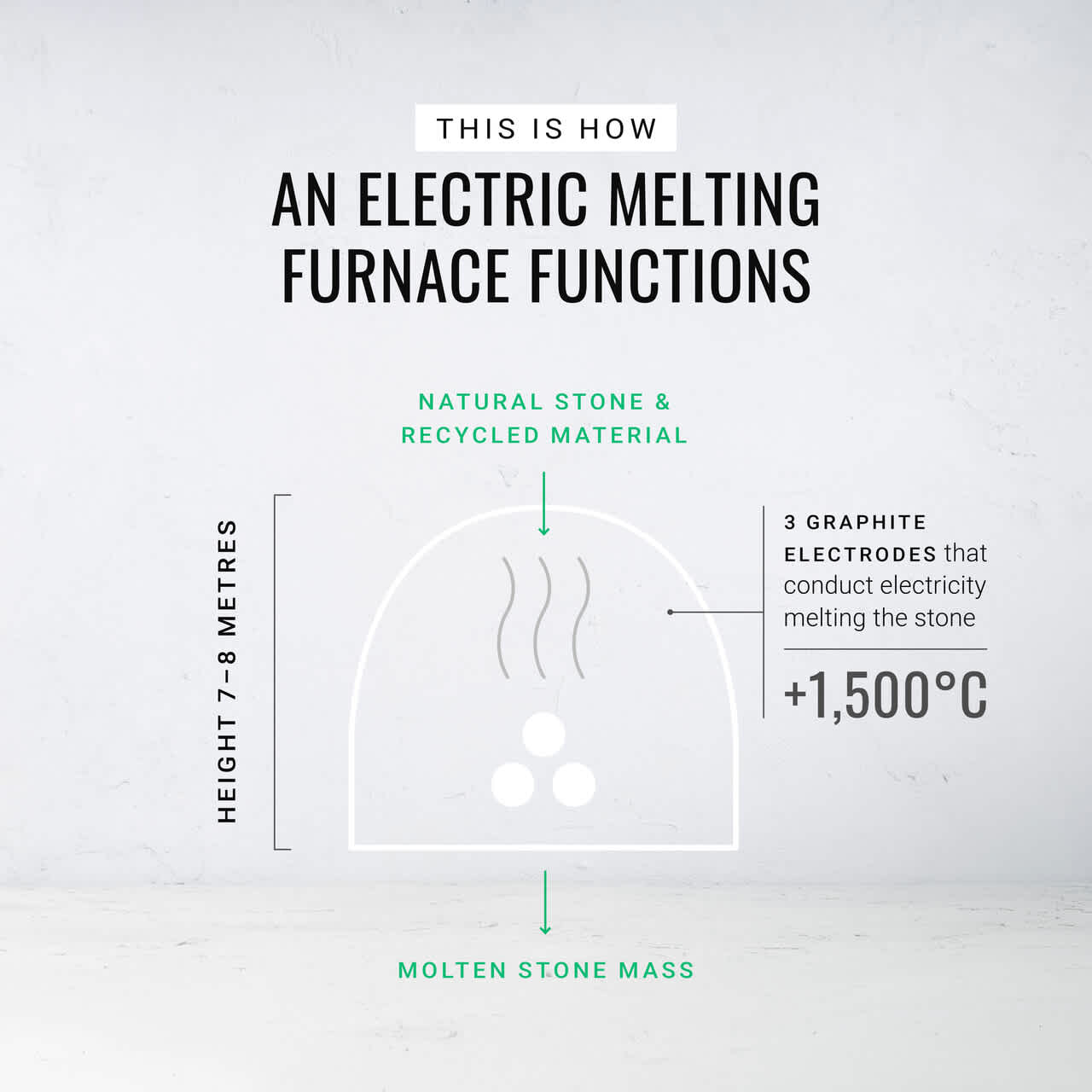
Appointed as the Head of the electric melting project, Development Engineer Carl-Gustav Nygårdas began traveling the world with his team to find a manufacturer capable of building a melting furnace suitable for manufacturing stone wool. The specifications were ambitious: an 8-meter-high furnace with a 50-tonne capacity and three large graphite electrodes capable of melting stone into a 1,500°C molten mass.

The breakthrough came when paroc partnered with an Asian manufacturer to design and build the world’s first industrial-scale electric melting furnace. Installed at the Parainen factory in Finland, it marked a global milestone in stone wool manufacturing. Since then, paroc has expanded this technology further, and established large-scale electric melting furnaces in Poland in 2008, solidifying its leadership in low carbon footprint production. 

Overcoming technical challenges

An industrial-sized furnace also brought some industrial-sized challenges. On New Year’s Eve 1987, for example, the carbon coating of the electric melting furnace corroded, creating a critical situation with 50 tonnes of molten stone that required draining.

In a moment like that, there was nobody in the world to turn to – and no one to call for advice. The team simply had to sit down at the factory, think carefully, and come up with a solution together.

Carl-Gustav Nygårdas frankly admits that the first years of the project were difficult.

I was losing my sleep and my temper frequently”, Nygårdas admits, laughing as he reflects on the setbacks, which he calls “adventures”.

It takes decades to learn all the intricacies of electric melting. In 2010, when I retired, there were still issues that needed to be figured out, and we have come a long way even during the past decade”.

The environmental and product quality benefits

Despite the difficulties, the objectives of the initiative were achieved. The most significant accomplishment was the wealth of knowledge and lessons amassed from pioneering such an endeavor. In addition, the molten material was of the expected high quality, and the environmental benefits quickly became evident.

An electric melting furnace is around 20% more energy efficient than using a coke-fired cupola furnace. With electric melting technology, it is possible to use renewable electricity, which creates 80% less CO₂ emissions compared to using a cupola furnace.

This reduction in emissions aligns with the growing demand for low-carbon products, while simultaneously not only maintaining, but even improving product quality. The best product quality has been observed to come from the electric melting production line.

paroc graph showing how an electric melting furnace functions

A legacy of expertise and knowledge

OC paroc’s factory in Parainen, Finland, has long been a place that has nurtured multi-decade careers and retained people passionate about their work. The idea for the electric melting furnace originated from within the development team, built on years of experience and innovation.

The skills of the factory staff are immensely important. It takes years of experience to learn how to operate an electric melting furnace efficiently. The weighing and dosing accuracy of raw materials — natural stone and recyclable waste suitable for re-use — is a meticulous task. The chemical composition of stone wool fiber requires following strict criteria.

There is always someone monitoring the round-the-clock production. This makes operating an electric melting furnace more demanding and costly than using a traditional cupola furnace, which is why its adoption has increased around the world only in more recent years.

Through decades of pioneering work and collaboration-driven teamwork, OC paroc has built a deep well of expertise, with knowledge and skills passed down from one generation to the next. This legacy continues to drive innovation and excellence at the company today.

Share this page on: