

This is a cache of https://www.paroc.com/en/article/the-critical-role-of-water-pipe-insulation-in-hvac-systems-performance-compliance-and-efficiency. It is a snapshot of the page as it appeared on 2026-02-22T03:15:42.424+0000.
The Critical Role of Water Pipe Insulation in HVAC systems: Performance, Compliance and Efficiency | Paroc Article
Skip to main content
Water Pipe Insulation in HVAC systems

The Critical Role of Water Pipe Insulation in HVAC systems: Performance, Compliance and Efficiency

Date Published 2025-07-31

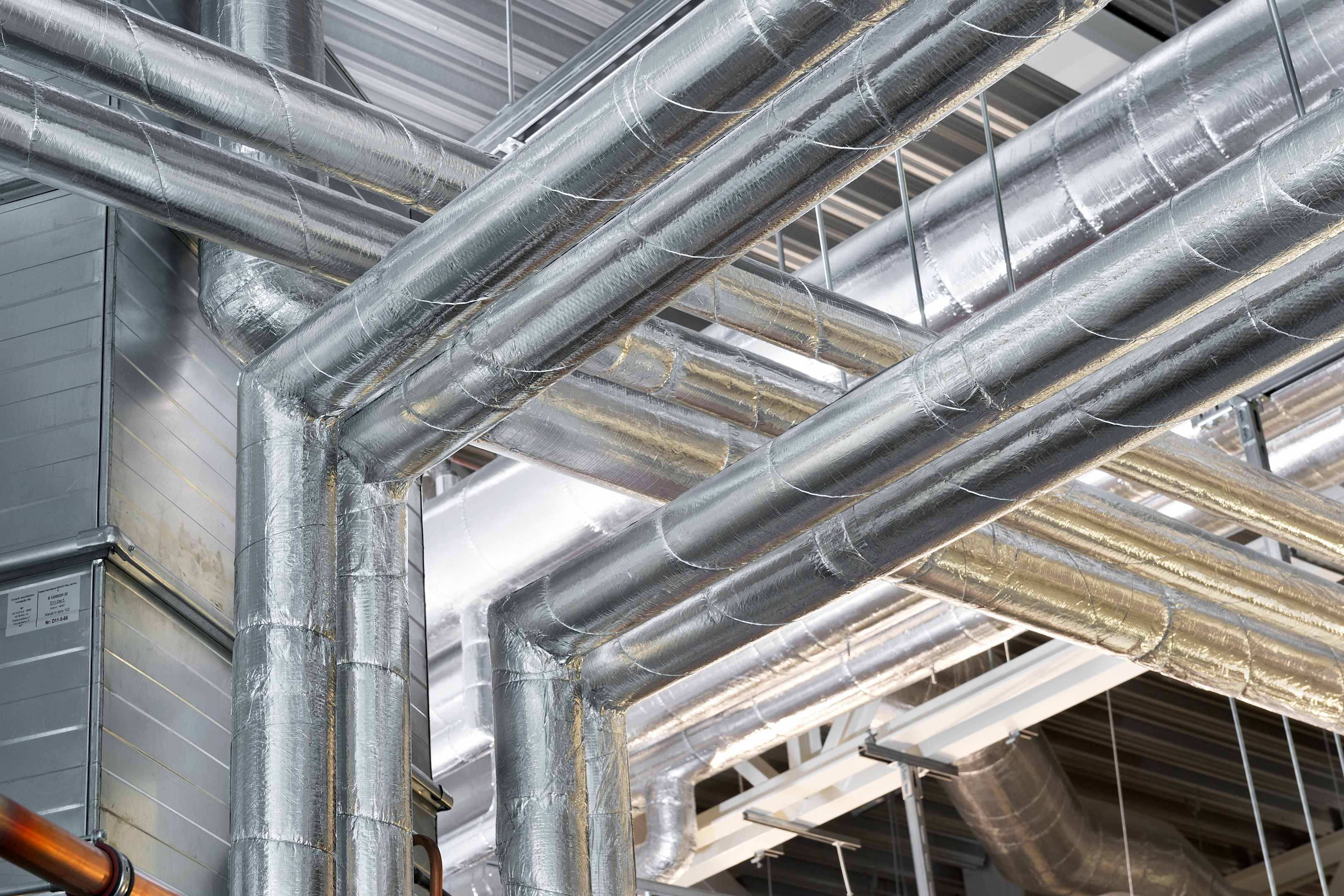
The best HVAC systems enhance a building’s comfort, help protect users and perform well. Good quality and properly installed water pipe insulation is key to this. Whether pipes contain hot, ambient or chilled water, pipe insulation should be more than ticking a box for building control.  

With careful consideration, your water pipe insulation will prevent long-term complications, reduce maintenance, save energy and keep your well-designed HVAC system performing at its best for years to come. 

Let’s break down the key benefits of insulating HVAC pipes and what you need to consider. 

Preventing Heat Transfer, icon

Preventing Heat Transfer

Reducing heat transfer will improve HVAC system performance, efficiency and save energy (for hot and chilled water pipes). The most sustainable energy is saved energy. And an easy way to save energy is using quality and properly installed pipe insulation. 

Whether you are installing or maintaining a hot water heating system or chilled water in cooling systems, water pipe insulation is designed to help prevent thermal transfer. Pipe insulation keeps the water (or other medium) inside the pipes at the optimal temperature, preventing extra heating or cooling processes that can keep operation costs down.

However, not all insulation materials are created equal. Different insulation materials have varying levels of thermal conductivity and effectiveness. The lower thermal conductivity of your pipe insulation, the less insulation you need to limit heat transfer. There is plenty of industry guidance for recommended insulation thickness for your needs. View specific guides per country, for example, here is our UK Thickness Guide for all the details about PAROC® products. 

Controlling Condensation, icon

Controlling Condensation – Insulation and Water Vapor Barriers

Pipe insulation also helps combat condensation. Cold pipes in warm rooms, or warm pipes in cold rooms, may need to be insulated to reduce the risk of condensation forming. Over time, condensation can damage pipework and cause more widespread damage. Excess or leaking water can penetrate ceilings and floors. Deterioration and discoloration from damp conditions or mold growth can have a costly and negative visual impact in any building. 

Water pipes need to be insulated so the surface temperature is higher than the surrounding air’s dew point. Corrosion under insulation (CUI) is a real risk, so vapor barriers are an extra line of defense against condensation, particularly in high humidity conditions. To ensure this, you have to apply a facing, with high water vapor diffusion resistance in order to reduce the moisture diffusion to the cold surface. For example, our PAROC® technical insulation is available with AluCoat facing. We offer HVAC insulation as pipe sections and bends with your choice of integrated facings. And to seal insulation joints more effectively, we have a range of tapes to choose from – sealing joints is mandatory to ensure a surface without any damage to maintain the water vapor barrier. 

Stone wool insulation is naturally resistant to water (hygroscopic), so it will remain dry and perform well even in 98% humidity. Some other insulation materials may absorb water and lose structural integrity. However, stone wool does not absorb or retain water in its structure but allows water vapor to pass through it. This prevents moisture build up, limits damage to the rest of the building and ensures long-term performance. 

For more information about controlling moisture in all types of insulation and settings, download our Moisture Guide


Keeping Compliant by Using Pipe Insulation 

Modern building standards focus on safety and efficiency for new builds and refurbishments. Sustainability is becoming more and more important as clients, owners and occupants want to reduce their environmental impact and keep energy costs down. Again, insulation pipework helps you deliver safe and energy-efficient HVAC systems. 

Fire Safety Standards , icon

Fire Safety Standards

Pipe insulation must meet fire safety standards, with some countries having minimum certification requirements for voids, enclosed areas or emergency routes. For example, UK Building Regulations BS 5422 stipulate only materials with the highest fire resistance of Euroclass A1 or A2 can be used.

Across Europe, the EU Construction Products Regulation (CPR) applies. EN 13501-1 details fire resistance of products and buildings, including specifically for linear pipe thermal insulation products. 

Always check your own local regulations to make sure your pipe insulation is up to standard. 


PAROC® Stonewool pipe insulation products are non-combustible. When tested to EN 13501-1, PAROC® products offer the highest fire class, either Euroclass A1 or A2-s1,d0. They do not burn or contribute to fire spread. They will not produce any smoke or a very limited amount of smoke, nor do they produce flaming droplets. The softening temperature of our Stonewool products is *over 1,000°C. The fire performance does not deteriorate with high temperatures, or over time. The surface temperature of faced products must not exceed 80°C. 

*Owens Corning internal test results, June 2023-24 for normal quality control/FPC. 

With a melting point over 1,000°C, stone wool does not produce ‘flaming droplets’ that can cause fires to spread. 


Energy Efficiency Standards 

Many countries have their own standards for limiting carbon emissions or energy loss too, as part of their commitment to reaching net zero. Pipe insulation has an important role to play in that. Insulation is a cost-effective way to increase energy efficiency and reduce energy bills. As energy prices rise, the financial reward for insulation increases – higher prices mean quicker return on investment. 

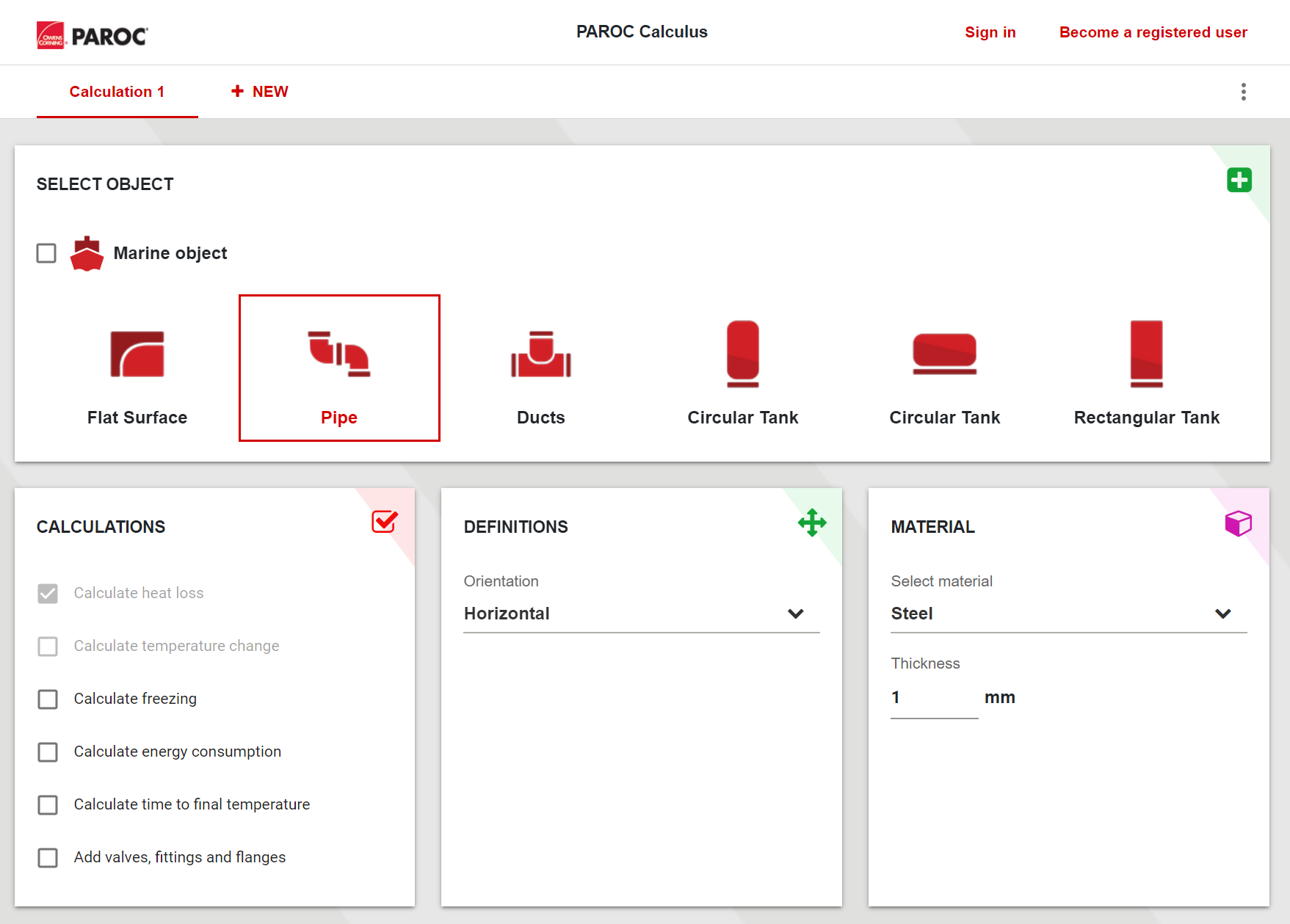
Global initiatives like BREAAM and LEED building standards go even further to assess the whole building’s ongoing environmental impact. Environmental Product Declarations (EPDs) can help you specify the most effective and sustainable pipe insulation by setting out embodied or whole-life carbon levels. Our online specification tool ‘Calculus’ takes energy loss into account to help you design the most energy efficient insulation combinations. 

Stone wool has low embodied carbonand a long service life - equal to the reference service life of the building, which is considered to be minimum 50 years, requiring little to no maintenance.  

Our PAROC® manufacturing plants in Sweden are undergoing converting its melting process from coke-fired furnaces to state-of-the-art electric melting technology, with start-up scheduled for early 2027. In Poland part of production uses an electric melting process and runs on 100% renewable energy. Our European production CO2 emissions fell by 30% in four years thanks to this innovative electric melting process. 


Acoustic Benefits of Using Water Pipe Insulation 

We have covered the technical and regulatory benefits of water pipe insulation, but water pipe insulation can improve acoustic comfort too. Insulation reduces the operational noise in domestic and commercial settings. By adding pipe insulation, you can reduce the noise from vibrating pipes, flowing water, pumps, or subtle pipe movement during temperature shifts by adding pipe insulation. PAROC® Stonewool has a fiber structure that allows air to flow through it, making it a great material for absorbing sound and reducing noise in domestic and commercial settings. 

Sound waves can bounce off the hard materials of exposed water pipes, particularly in large or open-plan areas, increasing noise levels. Reduce reverberation or noise levels with pipe insulation for greater occupant comfort. 


Water Pipe Insulation Makes All the Difference 

Proper water pipe insulation is crucial to any successful HVAC system. From preventing heat transfer and controlling condensation, to meeting fire safety standards and improving acoustic comfort. Superior water pipe insulation delivers measurable benefits that extend far beyond installation. 


PAROC® Stonewool insulation gives your HVAC project the reliability and performance it deserves. With non-combustible properties, excellent thermal efficiency, and integrated vapor barrier options, our insulations help you meet compliance requirements. All while delivering long-term energy savings and system performance. 

Don't compromise all your hard work.

Explore our HVAC insulation and select the best water pipe insulation for your next project. 


 Stone Wool Pipe Insulation Benefits  

  • Thermally reliable: Consistent thermal performance across a broad range of temperatures and applications. 
  • Indoor air quality: PAROC Products for HVAC are certified with Indoor Air Comfort Certificate, a well-established tool to show compliance of a product with low VOC emissions criteria set out in Europe. 
  • Fire resistant: When tested to EN 13501-1, PAROC® products offer the highest fire class either Euroclass A1 or A2-s1,d0.
  • Water resistant: PAROC products offer water vapour-resistant barrier creating an airtight surface preventing moisture risk.
  • Acoustic performance: PAROC Stonewool has an optimal fiber structure that allows air to flow through it. This makes it a great material for reducing noise and vibrations for better occupant comfort.  
  • Long-lasting: The reference service life of PAROC products is equal to the reference service life of the building which is considered to be minimum 50 years. Check the product-relevant DOPs for more information.
  • Compliant: Meets or exceeds worldwide building control standards. 
  • Sustainable: We continuously reduce our manufacturing footprint. We aspire to halve our CO2 emissions by 2030 and eventually eliminate our use of fossil fuels.


Share this page on: