


Business Finland has granted nearly EUR 3 million in support to the Recycling of Mineral Side Streams (REMIS) research project, which aims to improve recycling, reduce the use of virgin raw materials, and minimize landfill waste. The project involves several actors working together to develop a circular economy model.
Business Finland Supports Circular Economy Research Project Involving OC Paroc
Written By Paroc•Date Published 2025-04-28
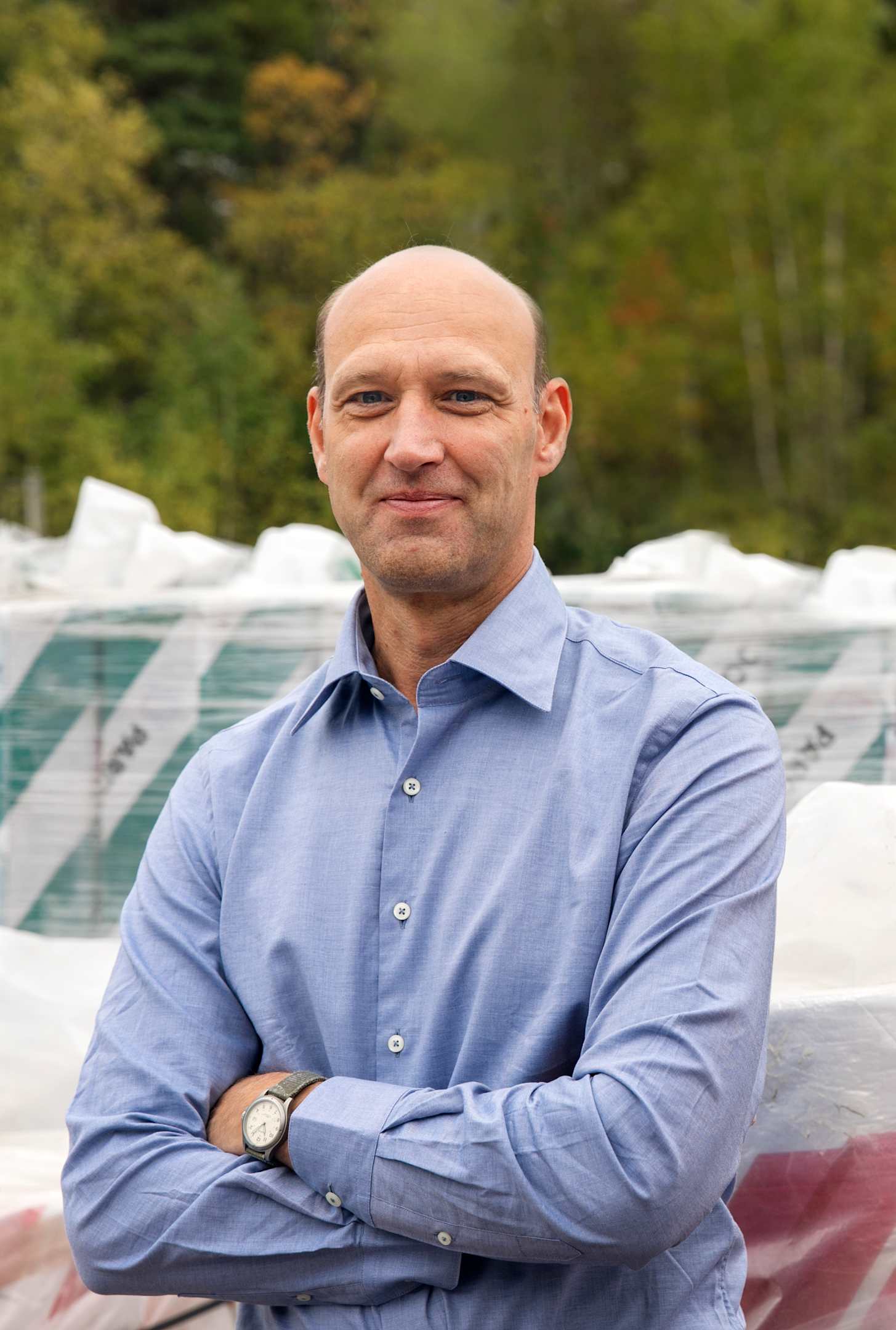
"We are pleased with the funding granted. It is important that the significance of the work done to promote the circular economy is understood and that people want to invest in it. Networking is crucial, both with universities and with other companies, as the successful implementation of a circular economy relies on collaboration and a comprehensive understanding of the entire value chain," says Pontus Lindberg, Senior Researcher, who is OC Paroc's main representative in the consortium.
The REMIS project investigates the recycling potential of construction waste and industrial aluminum-containing by-products. In addition to developing economically viable and environmentally friendly waste treatment methods, the project aims to optimize reverse logistics and create a process for material collection, sorting, and quality control.
"The project is fully in line with Owens Corning EU Insulation’s circular economy aspiration," Lindberg says.
The REMIS project collaborates with Mirka's SHAPE and Kiilto's SUPER Healthy Building ecosystems. The research is carried out in collaboration with Åbo Akademi and the University of Oulu, as well as companies Paroc, Levanto, Vektorio, Kierto Ympäristöpalvelut, and Suomen Erityisjäte. The project runs from February 2025 to August 2027.